Author: john

  • Should You Top Up Your Parents’ MediSave? What Caregivers Need to Know

    Should You Top Up Your Parents’ MediSave? What Caregivers Need to Know

    Your mum just called. She needs to see the specialist again, and she’s worried about the bills piling up. You’ve been thinking about helping out financially, but you’re not sure where to start. Should you just transfer her cash? Or is there a smarter way to support her healthcare needs?

    Topping up your parents’ MediSave account might be that smarter option. But before you log into your CPF account, you need to know the rules, the limits, and whether it actually makes sense for your family’s situation.

    Key Takeaway

    Topping up your parents’ MediSave can help them pay for hospitalisation, outpatient care, and approved medical treatments. You can claim tax relief up to $8,000 per year. But you need to check their current MediSave balance, understand the Basic Healthcare Sum limit, and know which medical expenses they can actually claim before making any top-up.

    Understanding MediSave for your parents

    MediSave is part of the CPF system designed to help Singaporeans pay for healthcare costs. Your parents can use their MediSave balance to cover approved medical expenses, including hospital bills, day surgery, chronic disease management, and MediShield Life premiums.

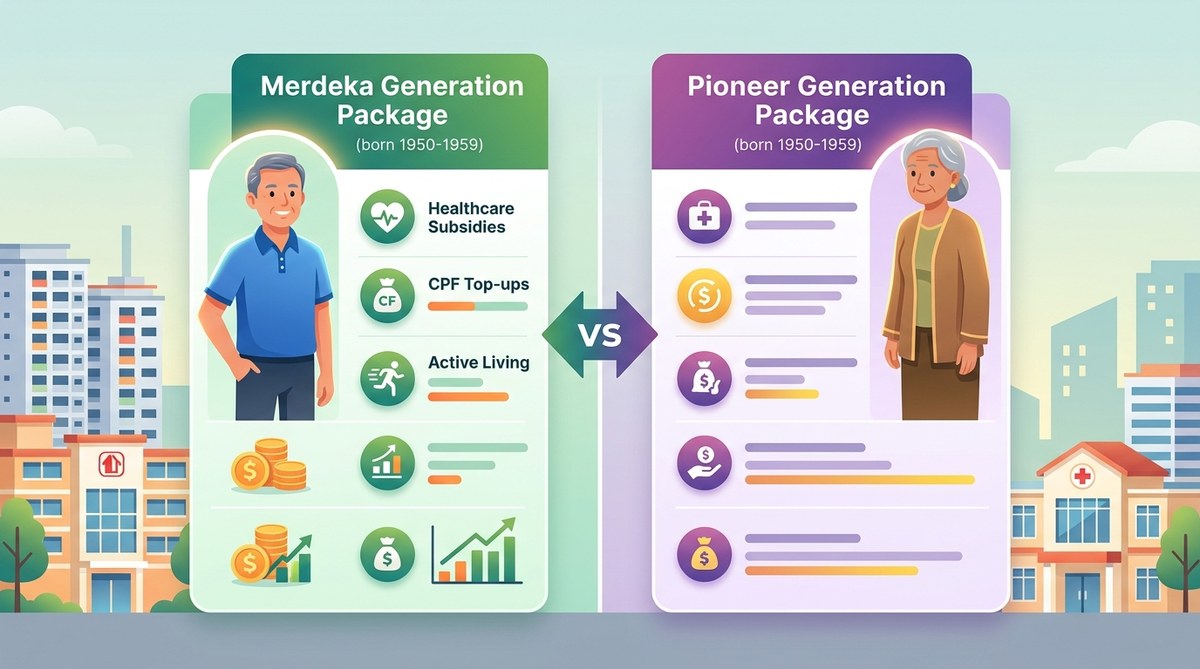
    For Merdeka Generation seniors born between 1950 and 1959, MediSave becomes even more valuable because they enjoy additional healthcare subsidies and benefits that work alongside their MediSave balances.

    The Basic Healthcare Sum (BHS) sets the maximum amount that can sit in anyone’s MediSave account. For 2024, the BHS is $71,500. Once your parent’s MediSave hits this cap, any excess automatically transfers to their Special Account or Retirement Account.

    This cap matters because it affects how much you can meaningfully top up.

    When topping up makes sense

    Not every family needs to top up their parents’ MediSave. Here are situations where it genuinely helps.

    Your parent has upcoming medical procedures. If your mum needs cataract surgery next month or your dad has a scheduled knee replacement, topping up their MediSave now means they can pay directly from their account instead of using cash or asking you for money later.

    Their MediSave is running low. Some seniors have drained their MediSave paying for years of chronic disease management, regular specialist visits, or previous hospitalisation. A top-up refills this buffer so they can handle future medical needs without financial stress.

    You want to reduce your taxable income. The government allows you to claim tax relief for MediSave top-ups. If you’re in a higher tax bracket, this relief can translate to real savings while helping your parents at the same time.

    They’re part of the Merdeka Generation. If your parents qualify for the Merdeka Generation Package, their MediSave top-up works together with their annual $200 top-up and additional subsidies, creating a stronger healthcare safety net.

    Tax relief you can claim

    The tax relief structure makes MediSave top-ups financially attractive for many working adults.

    You can claim up to $8,000 in tax relief per calendar year when you top up your parents’ MediSave, Special Account, or Retirement Account. This $8,000 cap is shared across all your CPF top-ups for family members, not per parent.

    If both your parents need MediSave top-ups, you can split the $8,000 between them. You could top up $4,000 for your mum and $4,000 for your dad, or $6,000 for one parent and $2,000 for the other.

    The relief applies to cash top-ups only. You cannot claim relief if you transfer from your own CPF accounts to theirs.

    To claim this relief, you need to include the top-up details when you file your income tax. IRAS will automatically reflect eligible top-ups if you made them through the CPF Board system, but you should still verify the amounts during tax filing season.

    “Many adult children don’t realise that topping up their parents’ MediSave can reduce their own tax bill while building a healthcare fund for their family. It’s one of the few ways you can help your parents and benefit financially at the same time.” – Financial Planning Association of Singapore

    How to top up your parent’s MediSave step by step

    The process is straightforward once you know where to go.

    1. Check your parent’s current MediSave balance. Ask them to log into their CPF account or check their CPF statement. You need to know how much room they have before hitting the BHS cap. Topping up beyond the cap won’t help because the excess just moves to another account.

    2. Calculate how much to top up. Consider their upcoming medical needs, their current balance, and your own tax relief limit. Don’t top up more than the BHS minus their current balance.

    3. Log into your own CPF account. Go to the CPF website and navigate to the top-up section. You’ll need your parent’s NRIC number and their CPF account details.

    4. Select MediSave as the destination account. You can choose to top up their Special Account, Retirement Account, or MediSave. Make sure you select MediSave if healthcare is your priority.

    5. Choose your payment method. You can pay by cash through internet banking, GIRO, or PayNow. The CPF Board will confirm your transaction within a few business days.

    6. Keep the receipt for tax filing. Save the confirmation email or transaction record. You’ll need this when you file your taxes to claim the relief.

    What your parents can use MediSave for

    Understanding what MediSave covers helps you decide if a top-up is worthwhile.

    Your parents can use MediSave to pay for:

    • Hospital bills for inpatient care and day surgery
    • Approved outpatient treatments like dialysis, chemotherapy, and radiotherapy
    • MediShield Life and Integrated Shield Plan premiums
    • Chronic Disease Management Programme (CDMP) treatments for conditions like diabetes, high blood pressure, and high cholesterol
    • Vaccinations for seniors, including pneumococcal and influenza jabs
    • Certain dental procedures performed in hospitals
    • Home medical services under the Home Caregiving Grant

    They cannot use MediSave for:

    • Over-the-counter medications
    • Most dental work done at private clinics
    • Traditional Chinese medicine treatments
    • Cosmetic procedures
    • Health supplements and vitamins
    • Overseas medical treatments

    If your parent’s main medical expenses fall outside these approved categories, a MediSave top-up won’t directly help. Cash assistance or other support might make more sense.

    Comparing top-up options

    You have several ways to help your parents financially. Here’s how MediSave top-ups compare to other options.

    Option Tax Relief Flexibility Best For
    MediSave top-up Up to $8,000 relief Can only use for approved medical expenses Parents with regular healthcare needs
    Cash transfer None Can use for anything Immediate general expenses
    Pay bills directly None You control the spending Specific one-time medical costs
    CPF LIFE top-up Up to $8,000 relief (shared cap) Creates monthly income for life Parents needing steady retirement income

    If your parents need help with both healthcare and daily living expenses, you might combine strategies. Top up their MediSave for medical coverage and give cash separately for groceries and utilities.

    Common mistakes to avoid

    Many well-meaning children make these errors when topping up their parents’ MediSave.

    Topping up beyond the BHS. Any amount above the Basic Healthcare Sum automatically transfers out of MediSave. If your dad already has $70,000 in his MediSave and you top up $5,000, only $1,500 stays in MediSave. The rest moves to his Special Account or Retirement Account, where he can’t use it for medical bills.

    Forgetting to check their annual $200 top-up. Merdeka Generation members receive an automatic $200 MediSave top-up every year. Factor this in when calculating how much room they have left.

    Not coordinating with siblings. If you and your brother both top up without discussing it first, you might exceed the BHS or waste your individual tax relief caps. Talk to your siblings and plan together.

    Topping up when they rarely use healthcare services. Some seniors are blessed with good health and rarely need medical care. If your parent’s MediSave balance is already healthy and they don’t have upcoming procedures, the top-up might not add much value right now.

    Missing the tax filing deadline. You need to make the top-up within the calendar year to claim relief for that year’s taxes. A top-up made in January 2025 counts for your 2025 tax filing, not 2024.

    How MediSave works with other schemes

    Your parents likely have multiple healthcare financing options. Understanding how they work together helps you see the full picture.

    MediShield Life is the national health insurance that covers large hospital bills. Your parents pay the premiums from their MediSave. If they have an Integrated Shield Plan (a private upgrade to MediShield Life), those premiums also come from MediSave, subject to withdrawal limits.

    The Community Health Assist Scheme (CHAS) gives subsidies for outpatient care at participating GP clinics and dental clinics. Merdeka Generation seniors automatically get CHAS Orange or Blue cards depending on their income. These CHAS benefits work independently of MediSave but complement it by reducing out-of-pocket costs.

    For chronic conditions, the CDMP lets your parents use MediSave to pay for regular medication and monitoring. The withdrawal limits are set annually, and any unused balance stays in their account.

    If your parent needs help beyond what these schemes cover, you might look into managing healthcare costs in other ways that go beyond just MediSave top-ups.

    Alternatives worth considering

    Before you commit to a MediSave top-up, consider whether these alternatives might work better.

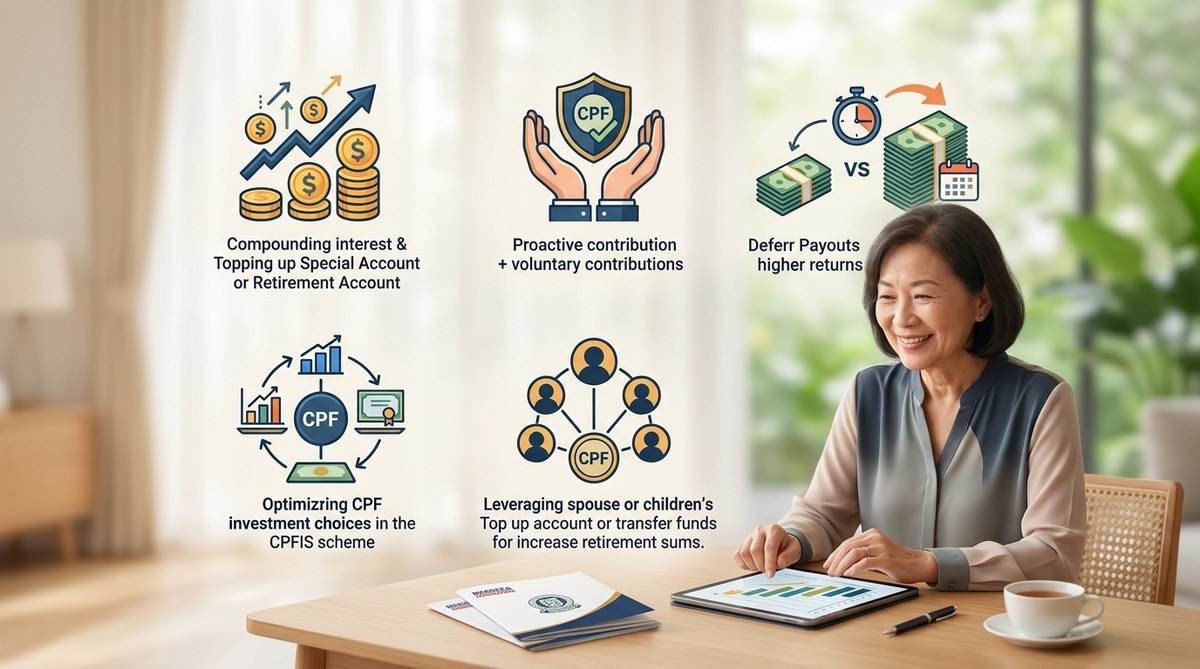
    Top up their CPF LIFE instead. If your parent’s main concern is monthly income rather than medical bills, topping up their Retirement Account to increase their CPF LIFE payouts might help more. They get higher monthly income for life, which they can use for any expense including healthcare.

    Set up a dedicated healthcare fund. Put money in a separate savings account earmarked for their medical expenses. This gives you flexibility to pay for treatments that MediSave doesn’t cover, like TCM or overseas specialist consultations.

    Pay for private health insurance. If your parents don’t have an Integrated Shield Plan, upgrading their coverage might provide better protection than just adding to MediSave. The premiums can be paid from MediSave up to withdrawal limits.

    Help them claim all available subsidies first. Many Merdeka Generation seniors don’t claim all the subsidies they’re entitled to. Before adding money, make sure they’re using their existing benefits fully. Check if they’ve avoided common claiming mistakes that could save them money.

    What happens if they don’t use the top-up

    Some adult children worry about topping up money that their parents might never use. Here’s what actually happens.

    MediSave balances don’t disappear. The money stays in the account earning interest (currently 4% per year). If your parent passes away without using all their MediSave, the balance becomes part of their estate and can be distributed to beneficiaries according to their CPF nomination or will.

    If they need the money for something other than healthcare later, they can’t withdraw it freely. MediSave is locked for approved medical uses only. This is why you shouldn’t top up if you think they might need the money for non-medical purposes.

    For parents who remain healthy and don’t deplete their MediSave, having a full account means they’re financially prepared for any future health crisis. That peace of mind has value even if they never need to use every dollar.

    Planning for multiple years

    Think beyond just this year’s top-up.

    If your parents are in their 60s or early 70s, they likely have 15 to 25 more years ahead. Healthcare needs typically increase with age. A strategic approach might be topping up smaller amounts annually rather than one large sum now.

    Spreading top-ups across multiple years lets you:

    • Maximise tax relief every year instead of hitting the cap once
    • Adjust based on their actual medical usage each year
    • Coordinate better with siblings who might take turns
    • Respond to changes in the BHS cap (which increases annually)

    Some families create a rotation where different children handle the top-up each year. This spreads the financial responsibility and ensures consistent support.

    Talking to your parents about money

    Many Singaporean families find it hard to discuss finances. Your parents might feel uncomfortable accepting help, or they might not want to burden you.

    Start the conversation by asking about their healthcare needs, not their finances. “Mum, how are you managing your medical appointments?” opens the door more gently than “Dad, do you have enough money for your hospital bills?”

    Explain that topping up their MediSave benefits you too through tax relief. This frames it as a mutual arrangement rather than charity, which can ease their discomfort.

    If they’re reluctant, suggest a small trial top-up first. Maybe $1,000 to start. Once they see how it works and that it doesn’t come with strings attached, they might be more comfortable with regular support.

    For families where money conversations remain difficult, consider working with a financial planner who can facilitate the discussion neutrally.

    Making the decision that fits your family

    There’s no universal answer to whether you should top up your parents’ MediSave. The right choice depends on your family’s specific circumstances.

    Run through this mental checklist:

    • Does your parent have upcoming medical procedures or ongoing treatment needs?
    • Is their current MediSave balance below the BHS with room for a meaningful top-up?
    • Can you afford the top-up without straining your own finances?
    • Will the tax relief provide genuine value given your income bracket?
    • Have you coordinated with siblings to avoid duplication?
    • Does your parent actually want this help?

    If most answers are yes, a top-up probably makes sense. If several are no, you might be better off helping in other ways.

    Remember that supporting your parents financially is a long game. What matters most is creating sustainable support that works for your family over many years, not just maximising tax relief or following what other families do.

    Supporting your parents’ healthcare journey

    Topping up your parents’ MediSave is just one tool in a larger toolkit for supporting their wellbeing as they age. The money helps, but so does staying informed about their health needs, accompanying them to important medical appointments, and making sure they’re claiming all the benefits available to them.

    Your willingness to learn about these options and think through what works best shows you’re already doing the most important thing: paying attention and being ready to help when it counts.

  • Managing Your Parents’ Medical Appointments: Making the Most of CHAS and MG Healthcare Subsidies

    Managing Your Parents’ Medical Appointments: Making the Most of CHAS and MG Healthcare Subsidies

    Watching your parent fumble through their wallet for three different subsidy cards at the clinic counter feels all too familiar. You’re juggling work calls, your own family, and now trying to figure out which card covers what, whether MediSave can pay for this visit, and why the receptionist is asking about Healthier SG enrolment.

    Managing elderly parents medical appointments in Singapore doesn’t have to feel like solving a puzzle blindfolded. The subsidies exist to help, but only if you know how to use them properly.

    Key Takeaway

    Adult children managing their parents’ healthcare in Singapore can maximise CHAS, MediSave, and Merdeka Generation subsidies by understanding eligibility requirements, keeping organised medical records, coordinating appointments strategically, and avoiding common claiming mistakes. Proper preparation and documentation ensure your parents receive entitled benefits without unnecessary out-of-pocket expenses or rejected claims.

    Understanding the three main subsidy schemes your parents can access

    Your parents likely qualify for multiple healthcare subsidies, but each serves a different purpose.

    The Community Health Assist Scheme (CHAS) provides subsidies at participating GP clinics and dental practices. All Singaporeans now qualify automatically, with subsidy levels based on household income. Your parents don’t need to apply separately if they’re already citizens.

    MediSave functions as a healthcare savings account under CPF. Your parents can use it to pay for approved outpatient treatments, day surgery, and certain chronic condition medications. The catch? Annual withdrawal limits apply, and not every medical expense qualifies.

    The Merdeka Generation Package offers additional benefits for Singaporeans born in the 1950s. This includes extra subsidies for outpatient care, MediSave top-ups, and enhanced support for long-term care needs. If you’re unsure about how to check if you qualify for the Merdeka Generation package in 2024, verification takes just a few minutes online.

    These schemes stack. Your mother’s GP visit might use CHAS for the consultation subsidy, MediSave for medication, and the Merdeka Generation card for additional discounts.

    Setting up a medical appointment system that actually works

    Managing Your Parents' Medical Appointments: Making the Most of CHAS and MG Healthcare Subsidies — 1

    Coordinating multiple doctor visits requires more than just remembering dates.

    Create a shared calendar that everyone can access. Google Calendar works well because you can set reminders for both you and your parents. Colour-code appointments by type: red for specialist visits, blue for routine check-ups, green for dental or eye care.

    Keep a master document with all relevant information:

    • Doctor names and clinic contact numbers
    • Appointment dates and times
    • Required documents for each visit
    • Questions to ask during consultations
    • Follow-up tasks after appointments

    Store this document in the cloud so you can access it from your phone while at work or during emergencies.

    Schedule appointments strategically. Mornings typically see shorter wait times at polyclinics. Avoid Mondays when clinics get busier with weekend backlog. If your father sees multiple specialists, try clustering appointments on the same day to reduce transport trips.

    Book follow-ups before leaving the clinic. Waiting until you get home often means forgetting, then scrambling weeks later when symptoms worsen.

    Preparing for appointments to maximise subsidy claims

    Walking into a clinic unprepared costs time and money.

    Bring these items to every appointment:

    • NRIC (essential for all subsidy verification)
    • CHAS card or confirmation of automatic enrolment
    • Merdeka Generation card if applicable
    • Current medication list with dosages
    • Recent test results or medical reports
    • Insurance cards if your parents have private coverage

    Many adult children forget the medication list. Clinics waste valuable consultation time trying to identify pills from descriptions like “the small white one for blood pressure.” Take photos of all medication bottles with labels clearly visible. Update these photos monthly.

    “Half of subsidy claim rejections happen because patients can’t produce the right identification at the point of service. Always carry original documents, not photocopies, especially for first visits to new clinics.”

    Verify subsidy eligibility before the appointment. Call the clinic to confirm they accept CHAS and participate in relevant schemes. Not all GP clinics accept MediSave for chronic disease management, even if they display CHAS stickers.

    Ask about bulk billing options. Some clinics can submit MediSave claims directly without requiring upfront cash payment. This prevents situations where your parents pay first, then struggle with reimbursement paperwork later.

    Common mistakes that waste subsidies and how to avoid them

    Managing Your Parents' Medical Appointments: Making the Most of CHAS and MG Healthcare Subsidies — 2

    Even well-meaning caregivers make errors that reduce subsidy benefits.

    Mistake Why It Happens How to Fix It
    Using wrong card for payment Multiple cards cause confusion Label cards clearly with usage notes
    Missing annual MediSave limits Unaware of withdrawal caps Track spending monthly in spreadsheet
    Forgetting to bring subsidy cards Rushed morning departures Keep duplicates in parent’s regular bag
    Not updating household income Life changes affect eligibility Review CHAS tier annually in January
    Paying cash when MediSave applies Clinic doesn’t mention option Always ask “Can we use MediSave?”

    The $200 annual Merdeka Generation top-up disappears if unused. Many seniors don’t realise this credit expires. Learn more about understanding your $200 annual MG card top-up to avoid leaving money on the table.

    Never assume subsidies apply automatically. Clinic staff sometimes forget to apply discounts, especially during busy periods. Check the bill before payment and question any charges that seem higher than expected.

    Navigating specialist referrals and hospital appointments

    Specialist care introduces additional complexity to subsidy management.

    Polyclinic referrals unlock subsidised specialist rates at public hospitals. Private GP referrals don’t provide the same subsidy levels. If your parent needs a cardiologist or orthopaedic surgeon, route through the polyclinic first, even if it means an extra appointment.

    Waiting times for subsidised specialist appointments can stretch to months. Book immediately after receiving the referral letter. Don’t wait to “see if the condition improves.” You can always cancel if unnecessary, but rebooking pushes you to the back of the queue.

    Hospital bills work differently from clinic visits. MediSave withdrawal limits increase for inpatient care and day surgery. MediShield Life, Singapore’s basic health insurance, covers large hospital bills with annual limits and deductibles. Your parents likely have this coverage automatically, but verify the details to understand out-of-pocket costs.

    For planned procedures, request a cost estimate beforehand. Hospitals can provide breakdown of expected charges, subsidy amounts, and what MediSave or MediShield Life will cover. This prevents billing shock after discharge.

    Keeping medical records organised across multiple providers

    Your father sees a GP, cardiologist, endocrinologist, and physiotherapist. Each keeps separate records that rarely communicate.

    Create a medical binder or digital folder with these sections:

    1. Current medications and dosages
    2. Chronic conditions and diagnosis dates
    3. Allergies and adverse reactions
    4. Recent lab results and test reports
    5. Vaccination records
    6. Specialist consultation summaries
    7. Hospital discharge summaries

    Update this record after every appointment. Doctors make better decisions when they see the full picture, not just their specialty’s slice.

    Request copies of all test results and reports. You’re entitled to your parent’s medical records. Some clinics charge small fees for printouts, but the investment pays off when a new doctor needs historical context.

    Photograph or scan important documents. Cloud storage like Google Drive or Dropbox ensures you can access records from anywhere. Tag files with dates and doctor names for easy searching.

    If your parent has multiple chronic conditions requiring regular medication, CPF MediSave for seniors becomes crucial for managing ongoing costs without depleting savings.

    Coordinating care between family members

    Caregiving shouldn’t fall entirely on one child’s shoulders.

    Assign specific responsibilities among siblings:

    • One person handles appointment scheduling
    • Another manages medication refills and organisation
    • Someone tracks subsidy claims and medical expenses
    • A family member attends appointments and takes notes

    Create a shared WhatsApp group for medical updates. After each appointment, post a brief summary: what the doctor said, any medication changes, next appointment date, and action items.

    Rotate appointment attendance if possible. Fresh ears catch details the regular attendee might miss through familiarity. Different children also ask different questions based on their concerns.

    Some families resist sharing medical information, viewing it as the parent’s private matter. This privacy comes at a cost when emergencies happen and siblings don’t know current medications or recent diagnoses. Have an honest conversation with your parents about sharing necessary medical information among trusted family members.

    Handling rejected subsidy claims and appeals

    Claims get rejected. Knowing how to respond saves money.

    Common rejection reasons include:

    • Treatment not covered under the specific scheme
    • Annual MediSave withdrawal limit exceeded
    • Missing or incorrect documentation
    • Service provided by non-participating clinic
    • Claim submitted outside the allowed timeframe

    Read rejection notices carefully. They typically explain the specific reason and whether you can appeal. Don’t ignore these letters or assume the decision is final.

    For CHAS-related issues, contact the clinic first. Sometimes simple administrative errors cause rejections, and clinic staff can resubmit corrected claims. For MediSave rejections, call CPF directly at their hotline. Have your parent’s NRIC and claim details ready.

    Document everything during the appeals process. Keep copies of:

    • Original bills and receipts
    • Rejection notices
    • Medical reports supporting treatment necessity
    • Correspondence with authorities
    • Resubmission confirmations

    Appeals take time, sometimes several weeks. Follow up if you don’t receive responses within the stated timeframe. Persistence often makes the difference between successful appeals and abandoned claims.

    Understanding what to do when your healthcare subsidy claim gets rejected can help you navigate the appeals process more effectively.

    Planning ahead for increased care needs

    Your parents’ healthcare needs will grow, not shrink.

    Start conversations about future care preferences now, while everyone’s thinking clearly. Discuss:

    • Preferred hospitals or healthcare providers
    • Comfort with different types of treatments
    • Home care versus nursing home preferences
    • Financial limits for medical spending
    • End-of-life care wishes

    These conversations feel uncomfortable but become impossible during medical crises when decisions need making under pressure.

    Review insurance coverage gaps. MediShield Life provides basic coverage, but consider whether Integrated Shield Plans or critical illness policies make sense for your family situation. The decision depends on your parents’ health status, existing savings, and your family’s ability to cover potential medical bills.

    Set aside emergency medical funds. Even with full subsidies, co-payments and uncovered expenses add up. A dedicated savings account for parent healthcare costs prevents scrambling when unexpected medical needs arise.

    Consider whether managing healthcare costs in retirement requires additional financial planning beyond government subsidies.

    Making technology work for elderly parents

    Apps and online portals can simplify healthcare management, but only if your parents can actually use them.

    HealthHub consolidates medical records, appointment bookings, and subsidy information in one place. Help your parents set up an account and show them how to:

    • View upcoming appointments
    • Check vaccination records
    • Access lab results
    • Submit MediSave claims
    • Verify CHAS eligibility

    Don’t just set it up and leave. Sit with them through several practice sessions. Write down step-by-step instructions with screenshots. Many seniors can learn digital tools with patience and repetition.

    For parents who resist technology, hybrid systems work better. You manage the digital aspects while they keep physical copies of important information. Create a simple paper checklist they can follow for appointment preparation.

    Medication reminder apps help with adherence. Programs like Medisafe send notifications when it’s time to take pills. Set these up on your parent’s phone with large, clear labels and simple interfaces.

    Some seniors prefer human contact over apps. That’s fine. The goal is reliable healthcare management, not forcing technology adoption. Use whatever system your parents will actually follow consistently.

    When to consider professional care coordination help

    Sometimes family caregiving reaches its limits.

    Signs you might need professional help:

    • Missing appointments frequently despite best efforts
    • Medication errors happening regularly
    • Multiple emergency room visits for preventable issues
    • Family conflicts over care decisions
    • Your own health or work suffering significantly

    Care coordinators or geriatric care managers provide professional appointment scheduling, medication management, and healthcare navigation. They cost money but often save more through better subsidy utilisation and preventing expensive emergency care.

    Some hospitals offer care coordination services for complex cases. Ask your parent’s primary doctor whether such programs exist and how to access them.

    Community resources like senior activity centres sometimes provide healthcare navigation assistance. These services often cost less than private care managers while still offering valuable support.

    Staying informed about subsidy changes and updates

    Healthcare policies change regularly. What worked last year might not apply today.

    Subscribe to official government updates:

    • MOH website announcements
    • CPF Board email notifications
    • CHAS scheme updates
    • Merdeka Generation programme changes

    Check these sources quarterly, not just when problems arise. Policy changes often include expanded benefits or new covered services that could help your parents.

    Join caregiver support groups, either online or in person. Other adult children managing parent healthcare often share valuable tips about navigating subsidies and finding good healthcare providers.

    Attend health screening talks at community centres. These sessions frequently include updates about available subsidies and how to access them. Plus, they’re often free with light refreshments.

    If your parent lost their Merdeka Generation card, knowing the replacement process prevents gaps in subsidy access.

    Your parents deserve care without financial stress

    Managing elderly parents medical appointments in Singapore becomes manageable once you understand the subsidy landscape and build reliable systems.

    The effort you invest now in learning CHAS, MediSave, and Merdeka Generation benefits pays dividends for years. Your parents receive better care, you spend less time firefighting medical crises, and everyone experiences less financial anxiety around healthcare costs.

    Start with one improvement this week. Maybe it’s creating that shared medical calendar, or finally requesting copies of your mother’s recent test results, or verifying your father’s CHAS tier eligibility.

    Small steps compound. Six months from now, you’ll handle medical appointments with confidence instead of confusion, knowing exactly which subsidies apply and how to access them properly.

  • Choosing Between Ageing-in-Place and Sheltered Housing: A Practical Comparison

    Choosing Between Ageing-in-Place and Sheltered Housing: A Practical Comparison

    Choosing where to spend your golden years is one of the most personal decisions you’ll make. Stay in the home you’ve known for decades, or move to a facility with round-the-clock care? Both paths have real trade-offs, and there’s no universal answer.

    Key Takeaway

    Aging in place offers familiarity and independence but demands home modifications, caregiver support, and careful budgeting. Assisted living provides structured care and social engagement yet involves higher monthly costs and less autonomy. Your health trajectory, financial resources, family availability, and personal priorities will determine which option suits you best. Government subsidies and Merdeka Generation benefits can offset expenses in both scenarios.

    Understanding aging in place in Singapore

    Aging in place means staying in your current home as you grow older, with or without support services.

    You keep your routines. You know which hawker stall makes the best kopi. You recognise your neighbours. You avoid the upheaval of moving.

    But aging in place only works if your home can adapt to your changing needs.

    A three-room HDB flat with steep stairs becomes a hazard when mobility declines. Bathrooms without grab bars pose fall risks. Kitchens with high shelves frustrate seniors who can no longer reach.

    Home modifications cost money. Installing ramps, widening doorways, and adding grab bars can run into thousands of dollars. The Enhancement for Active Seniors programme offers up to $95,000 in grants for eligible households, but you still need to coordinate contractors and live through renovations.

    Beyond physical changes, you need a care plan.

    Who will help with groceries when you can’t carry heavy bags? Who will remind you to take medications? Who will notice if you fall and can’t reach the phone?

    Family members often step in, but caregiving is exhausting. Adult children juggle jobs, their own families, and parents’ needs. Burnout is common.

    Hiring a domestic helper costs around $1,200 to $1,500 per month, including salary, levy, and insurance. Professional home care services charge $25 to $50 per hour, depending on the level of care required.

    For Merdeka Generation seniors, understanding your $200 annual MG card top-up can help cover some outpatient expenses at home, but it won’t stretch to cover full-time caregiving.

    What assisted living and sheltered housing offer

    Assisted living facilities, known as sheltered housing or nursing homes in Singapore, provide accommodation, meals, and varying levels of care under one roof.

    You get 24-hour supervision. Trained staff handle medication management, mobility assistance, and emergency response. Social activities are built into the schedule.

    The trade-off is independence.

    You live by the facility’s routines. Meal times are fixed. Visiting hours may have restrictions. Your living space shrinks to a room or shared suite.

    Costs vary widely. Voluntary Welfare Organisations run subsidised nursing homes that charge $1,500 to $3,000 per month for residents who meet income criteria. Private facilities can cost $3,500 to $8,000 or more, depending on location and amenities.

    Government subsidies help. Singaporeans in Community Hospital Extended Care or nursing homes can tap MediShield Life coverage and Medisave for approved expenses. Means-tested subsidies reduce monthly fees for lower-income seniors.

    Sheltered housing also addresses loneliness. Group meals, exercise classes, and outings create built-in social interaction. For seniors living alone, this structure can be life-changing.

    But not everyone thrives in communal settings. Some find the noise overwhelming. Others miss privacy. And moving into a facility often feels like giving up control, even when it’s the safer choice.

    Breaking down the financial comparison

    Money matters, especially on a fixed retirement income.

    Here’s a realistic cost breakdown for both options over one year.

    Expense Category Aging in Place (Annual) Assisted Living (Annual)
    Housing (rent/mortgage) $0 (owned flat) Included in facility fee
    Utilities $1,200 Included
    Meals $7,200 Included
    Home modifications $5,000 (one-time) $0
    Domestic helper or home care $18,000 Included
    Medical visits and medication $3,600 $3,600 (similar with subsidies)
    Transport $600 $0 (on-site care)
    Social activities $1,200 Included
    Total $36,800 $42,000 to $96,000

    These figures assume moderate care needs. Intensive nursing pushes both options higher.

    Aging in place looks cheaper until you factor in hidden costs. Taxi fares to medical appointments add up. Emergency hospital stays from preventable falls cost thousands. Caregiver burnout can force rushed decisions.

    Assisted living bundles everything into one predictable monthly fee, but that fee can strain retirement savings. A senior paying $4,000 per month for a private nursing home will spend $48,000 annually, draining CPF LIFE payouts and personal savings faster than expected.

    Creating a monthly budget that works on fixed CPF LIFE and pension income becomes critical in either scenario.

    How healthcare subsidies change the equation

    Merdeka Generation seniors enjoy additional healthcare subsidies that reduce out-of-pocket costs in both settings.

    You get subsidies for outpatient care at polyclinics and CHAS GP clinics. Specialist outpatient care at public hospitals costs less. MediShield Life premiums are fully covered by the government.

    These benefits apply whether you age in place or move to assisted living.

    But navigating subsidies takes effort. Claims require documentation. Some seniors miss out because they don’t know how to apply or which services qualify.

    Managing your parents’ medical appointments and making the most of CHAS and MG healthcare subsidies can help adult children support their parents through the process.

    For nursing home residents, Medisave can cover part of the monthly fee, up to approved limits. Community Health Assist Scheme subsidies reduce costs further for eligible seniors.

    Still, subsidies don’t cover everything. Personal care items, physiotherapy sessions, and specialised equipment often come out of pocket.

    Steps to evaluate your own situation

    Deciding between aging in place and assisted living requires honest assessment.

    Follow these steps to clarify your options.

    1. List your current health limitations. Can you climb stairs? Manage medications independently? Prepare meals safely? Document what you can and cannot do without help.

    2. Identify your support network. Who lives nearby? Who can respond in an emergency? Who will help with daily tasks? Write down specific names and their availability.

    3. Calculate your monthly retirement income. Add up CPF LIFE payouts, pension income, rental income, and any other sources. Subtract fixed expenses like utilities, insurance, and food.

    4. Tour at least three assisted living facilities. Visit during meal times and activity hours. Talk to residents. Ask about staff turnover and emergency protocols.

    5. Get a professional home safety assessment. Occupational therapists can identify fall hazards and recommend modifications. Some hospitals and senior centres offer free assessments.

    6. Discuss preferences with family members. Your children may have strong opinions, but this is your decision. Clarify your priorities and listen to their concerns.

    7. Plan for declining health. What happens when you can no longer walk? When dementia sets in? Build in flexibility for future care needs.

    These steps take time, but rushing leads to regret.

    Common mistakes families make when choosing

    Many families stumble into poor decisions because they wait too long or ignore warning signs.

    Here are the most common errors and how to avoid them.

    Waiting for a crisis. Falls, strokes, or hospital admissions force hasty choices. Families scramble to find placement without proper research. Start planning while you’re still healthy.

    Underestimating care needs. Seniors often insist they’re fine when they’re not. Adult children living far away miss gradual declines. Get objective input from doctors and therapists.

    Ignoring the senior’s wishes. Moving someone into assisted living against their will breeds resentment. Involve them in decisions, even if their preferences seem unrealistic.

    Overlooking trial stays. Some facilities offer short-term respite care. Use these trials to test compatibility before committing to a long-term contract.

    Failing to budget for care escalation. Basic assisted living may suffice now, but dementia or chronic illness demands higher levels of care. Ensure your finances can handle increased costs.

    Assuming family can provide all care. Love doesn’t equal capability. Caregiving requires physical strength, medical knowledge, and emotional resilience. Professional help isn’t a failure.

    “The hardest part of my job is watching families wait until the senior is in crisis. By then, options are limited, emotions are high, and everyone suffers. Start the conversation early, even if it feels uncomfortable.” – Social worker at a community hospital

    When aging in place makes sense

    Aging in place works best when you have strong support, a safe home, and manageable health conditions.

    You’re a good candidate if:

    • Your home is on the ground floor or has a lift.
    • You can afford modifications like grab bars and ramps.
    • Family members or friends live nearby and check in regularly.
    • You’re comfortable hiring domestic help or home care services.
    • Your health is stable, with no severe mobility or cognitive impairments.
    • You have hobbies, social connections, and routines that keep you engaged.
    • You’re willing to adapt your living space as needs change.

    Aging in place also suits fiercely independent seniors who thrive on autonomy. If losing control over your daily schedule feels unbearable, staying home may preserve your mental well-being, even if it costs more.

    But independence has limits. When safety becomes a daily concern, stubbornness turns dangerous.

    When assisted living is the better choice

    Assisted living becomes necessary when home supports can’t meet your care needs safely.

    Consider a facility if:

    • You experience frequent falls or near-misses.
    • Medication management is complicated, and you forget doses.
    • You live alone and feel isolated or anxious.
    • Family caregivers are burning out or live too far away.
    • Your home requires extensive modifications that aren’t feasible.
    • You need supervision for dementia or other cognitive decline.
    • You want structured social activities and don’t have access to them at home.

    Assisted living also benefits seniors who recognise they need more support than family can provide. Accepting help isn’t defeat. It’s pragmatism.

    For families, assisted living offers peace of mind. You know your parent is fed, medicated, and monitored. You can visit as a loved one, not an exhausted caregiver.

    Alternative options worth considering

    Aging in place and assisted living aren’t your only choices.

    Studio apartments under the Silver Housing Bonus Scheme let seniors downsize to a smaller HDB flat near family or amenities. How to apply for a studio apartment under the Silver Housing Bonus Scheme explains eligibility and application steps.

    Senior activity centres provide daytime programmes, meals, and social engagement while you continue living at home. Is senior activity centre or day rehabilitation better for your needs? compares these services.

    Lease Buyback Scheme allows you to sell part of your flat’s lease back to HDB for cash while staying in your home. Should you lease back your flat under the Lease Buyback Scheme? breaks down the pros and cons.

    Intergenerational living brings adult children and parents under one roof, sharing caregiving and expenses. This works when family dynamics are healthy and space allows privacy.

    Each option has trade-offs. Explore them before defaulting to the two most common paths.

    Practical tips for making the transition smoother

    Whether you’re modifying your home or moving to a facility, preparation reduces stress.

    For aging in place:

    • Install grab bars in the bathroom and along hallways before you need them.
    • Replace round doorknobs with lever handles for easier grip.
    • Improve lighting in stairways and corridors to prevent falls.
    • Keep emergency contact numbers visible and accessible.
    • Schedule regular check-ins with family or neighbours.
    • Sign up for a medical alert system if you live alone.

    For assisted living:

    • Visit the facility multiple times before moving in.
    • Bring familiar items like photos, blankets, and small furniture to personalise your room.
    • Introduce yourself to staff and other residents early.
    • Attend social activities even if you feel shy at first.
    • Communicate openly with staff about preferences and concerns.
    • Maintain connections with family and friends outside the facility.

    Transitions take time. Give yourself grace during the adjustment period.

    How Merdeka Generation benefits support both paths

    Merdeka Generation seniors enjoy targeted subsidies that ease financial pressure in both scenarios.

    Your MG card provides:

    • Subsidised outpatient care at polyclinics and CHAS GP clinics.
    • Additional MediShield Life premium support.
    • Higher subsidies for specialist outpatient care.
    • An annual $200 top-up for outpatient expenses.

    These benefits apply whether you age in place or live in assisted living.

    If you’re unsure about your eligibility or benefits, how to check if you qualify for the Merdeka Generation Package in 2024 walks through the verification process.

    Lost your card? What happens if you lost your Merdeka Generation card explains replacement steps.

    Maximising these benefits requires awareness. Many seniors leave money on the table because they don’t know which services qualify or how to file claims. 5 common mistakes Merdeka Generation seniors make when claiming benefits highlights pitfalls to avoid.

    What matters most in the end

    The right choice isn’t about cost alone or convenience alone.

    It’s about dignity. Safety. Quality of life.

    Some seniors thrive at home with the right support. Others blossom in assisted living, finally free from the burden of managing a household.

    Your decision will evolve as your health changes. What works at 70 may not work at 85. Stay flexible. Revisit your plan every few years.

    Talk to your family. Talk to your doctor. But most importantly, listen to yourself. You know what feels right.

    Whether you stay home or move to a facility, you deserve care that honours your needs and respects your autonomy. Plan ahead, budget carefully, and don’t wait for a crisis to force your hand.

  • 7 Affordable Active Ageing Programmes That Accept PAssion Card Discounts

    7 Affordable Active Ageing Programmes That Accept PAssion Card Discounts

    Retirement doesn’t mean sitting at home watching television all day. Many Singaporean seniors want to stay active, learn new skills, and enjoy life without breaking the bank. The PAssion Card offers a range of discounts that make this possible, but many seniors don’t know what’s available or how to access these benefits.

    Key Takeaway

    PAssion Card members aged 55 and above can access transport concessions, activity programme discounts, dining offers, and retail savings across Singapore. The PAssion Silver Concession Card provides additional public transport subsidies. Eligibility is straightforward, and activation takes just a few steps. This guide covers all available passion card senior discounts, how to apply, and practical tips to maximise your savings throughout retirement.

    Understanding the PAssion Card for Seniors

    The PAssion Card is a membership programme run by the People’s Association. It gives Singaporeans access to community clubs, sports facilities, and exclusive merchant discounts.

    Seniors get extra perks.

    Anyone aged 55 and above qualifies for senior benefits automatically once they sign up. The card costs $12 for a two-year membership. That’s just $6 per year for access to hundreds of discounts.

    The card works at over 100 community clubs nationwide. You can book facilities, sign up for classes, and enjoy subsidised rates on activities ranging from line dancing to digital literacy workshops.

    Many seniors confuse the regular PAssion Card with the PAssion Silver Concession Card (PASC). They’re different cards with different purposes. The regular PAssion Card unlocks discounts and activity access. The PASC is specifically for public transport concessions and requires a separate application.

    Who Qualifies for PAssion Card Senior Benefits

    Any Singaporean or Permanent Resident aged 55 and above can apply for the PAssion Card and enjoy senior pricing.

    There’s no income ceiling.

    There’s no medical assessment.

    You don’t need to be part of the Merdeka Generation or Pioneer Generation to qualify, although those groups do get additional healthcare subsidies through separate schemes. If you’re unsure about your eligibility for those programmes, you can check if you qualify for the Merdeka Generation package separately.

    The card is valid for two years from the date of issue. After that, you’ll need to renew it to continue enjoying the benefits.

    How to Apply for Your PAssion Card

    Getting your PAssion Card is straightforward. You have three options.

    Option 1: Apply Online

    1. Visit the OnePA website at onepa.gov.sg.
    2. Click on “Register” if you’re a first-time user.
    3. Fill in your personal details including NRIC, contact information, and address.
    4. Upload a recent passport-sized photo.
    5. Pay the $12 membership fee using credit card, debit card, or PayNow.
    6. Wait for your card to arrive by mail within 7 to 10 working days.

    Option 2: Apply at Any Community Club

    1. Bring your NRIC and a passport-sized photo.
    2. Head to the membership counter at your nearest community club.
    3. Fill out the application form with staff assistance if needed.
    4. Pay the $12 fee in cash or by NETS.
    5. Collect your card on the spot or have it mailed to you.

    Option 3: Apply Through the OnePA Mobile App

    1. Download the OnePA app from the App Store or Google Play.
    2. Register for an account using your SingPass.
    3. Complete the membership application form.
    4. Upload your photo and make payment.
    5. Receive your card by mail.

    Most seniors find the in-person option at the community club easiest because staff can answer questions immediately.

    PAssion Silver Concession Card for Transport Savings

    The PAssion Silver Concession Card is a separate card that gives you discounted public transport fares.

    If you’re 60 and above, you can save up to 50% on bus and train rides during off-peak hours. Peak hours (weekdays before 7.45am) offer lower discounts, but you still save.

    To apply for the PASC:

    1. You must already have a regular PAssion Card.
    2. You must be 60 years old or above.
    3. Apply online at transitlink.com.sg or visit any TransitLink Ticket Office.
    4. Pay the $5 card fee.
    5. Collect your card or have it mailed.

    The PASC is valid for five years. After that, you’ll need to replace it, although the concession continues automatically as long as you remain eligible.

    Some seniors carry both cards. The regular PAssion Card for activities and merchant discounts. The PASC for transport. They serve different purposes and cannot be combined into one card.

    Top Passion Card Senior Discounts You Should Know

    Here are the most valuable discounts available with your PAssion Card.

    Community Club Activities and Courses

    Community clubs offer hundreds of courses each term. Cooking classes, yoga, swimming lessons, art workshops, and language courses all come with member pricing.

    Seniors enjoy additional discounts on top of member rates. A typical course that costs $80 for regular members might cost $50 for seniors.

    Check the PA Course Booklet published every quarter or browse the OnePA app to see what’s available near you.

    Sports Facilities Booking

    Need a badminton court? Want to swim laps at the pool? PAssion Card members get discounted rates when booking sports facilities at community clubs.

    Senior rates are even lower. For example, a badminton court that costs $6 per hour for regular members might cost $4 for seniors during off-peak hours.

    Dining Discounts at Partner Restaurants

    Over 200 restaurants, cafes, and food courts across Singapore accept the PAssion Card for discounts ranging from 10% to 30%.

    Popular chains like PastaMania, Swensen’s, and selected hawker centres participate in the programme. Always ask before ordering whether senior discounts apply on top of regular PAssion Card offers.

    Some merchants cap the discount at certain times or days. Weekend promotions might differ from weekday deals.

    Retail and Grocery Savings

    Selected NTUC FairPrice outlets offer additional discounts for PAssion Card holders on specific days.

    Guardian and Watsons pharmacies sometimes run promotions for cardholders. Check in-store signage or ask the cashier before paying.

    Other participating merchants include optical shops, bookstores, and home improvement retailers. The full list changes quarterly, so keep an eye on the OnePA app for updates.

    Health Screening and Wellness Services

    Some polyclinics and private clinics offer discounted health screening packages for PAssion Card members.

    Dental clinics, traditional Chinese medicine practitioners, and physiotherapy centres also participate.

    These aren’t automatic. You’ll need to show your card and ask if senior rates apply.

    Common Mistakes Seniors Make with PAssion Card Discounts

    Many seniors miss out on savings because they don’t know how to use their card properly. If you want to avoid other common errors when claiming government benefits, read about mistakes Merdeka Generation seniors make when claiming benefits.

    Mistake Why It Happens How to Avoid It
    Not carrying the card Forget to bring it when going out Keep it in your wallet next to your NRIC
    Assuming all merchants accept it Not all shops participate Ask before ordering or check the OnePA app
    Missing renewal deadlines Card expires after two years Set a phone reminder six months before expiry
    Not checking for updated offers Promotions change quarterly Browse the app or visit your community club monthly
    Using expired cards Unaware the card has lapsed Check the expiry date printed on the front

    One senior shared that she missed out on $200 in savings over six months simply because she didn’t realise her card had expired. She kept showing it at restaurants, and staff politely told her the discount didn’t apply, but she thought it was because the promotion had ended.

    Always check your card’s expiry date before heading out.

    How to Maximise Your PAssion Card Savings

    Getting the card is step one. Using it strategically is step two.

    Plan Your Activities Around Discounts

    Community clubs publish their course schedules months in advance. Browse the offerings and sign up early for the best selection.

    Popular classes like Zumba, smartphone photography, and baking fill up fast. Seniors who register during the early bird period sometimes get an extra 5% off.

    Combine Discounts Where Possible

    Some merchants allow you to stack PAssion Card discounts with other promotions. For example, a restaurant might offer 15% off for PAssion Card holders plus an additional 10% off for seniors during weekday lunches.

    Always ask. The worst they can say is no.

    Use the OnePA App to Track Offers

    The app sends notifications when new promotions launch. You can also search for participating merchants near your current location.

    The app includes a digital version of your card, but most merchants still prefer to see the physical card. Carry both just in case.

    Share Tips with Friends

    Many seniors find out about great discounts through word of mouth. If you discover a fantastic deal, tell your friends at the community club or during your morning walk.

    Someone else might return the favour by sharing a discount you didn’t know about.

    “I saved over $600 last year just by using my PAssion Card at the community club gym, attending subsidised tai chi classes, and eating at participating coffee shops twice a week. It’s not just about the money. I feel more connected to my neighbourhood and I’ve made new friends along the way.” — Mrs Tan, 67, Ang Mo Kio resident

    What to Do If Your Card Is Lost or Damaged

    Losing your PAssion Card is frustrating, but replacement is simple.

    1. Report the loss through the OnePA app or by calling the PA hotline at 6225 5322.
    2. Pay the $10 replacement fee.
    3. Collect your new card at any community club or have it mailed.

    Your membership period remains the same. If you had six months left on your original card, the replacement will reflect that.

    If your card is damaged but still readable, you might be able to get a free replacement at your community club. Bring the damaged card and your NRIC.

    For Merdeka Generation members who also have an MG card, losing that card requires a different process. You can find out what happens if you lost your Merdeka Generation card and how to replace it.

    Passion Card vs Other Senior Discount Programmes

    Singapore offers several discount schemes for seniors. Understanding the differences helps you choose the right one for your needs.

    The PAssion Card focuses on lifestyle, activities, and community engagement. It’s ideal for active seniors who want to stay social and try new hobbies.

    The CHAS card provides subsidised healthcare at participating clinics. Merdeka Generation seniors get additional subsidies on top of regular CHAS benefits. Learn more about CHAS card benefits for Merdeka Generation seniors.

    The Pioneer Generation and Merdeka Generation packages focus on healthcare subsidies, including outpatient care, medication, and MediShield Life premiums.

    You can hold multiple cards simultaneously. Many seniors carry a PAssion Card, a CHAS card, and their MG or PG card. Each serves a different purpose.

    Budgeting for Retirement with PAssion Card Savings

    Small savings add up over time.

    If you save $50 per month using your PAssion Card on activities, dining, and transport, that’s $600 per year. Over ten years, that’s $6,000 back in your pocket.

    For seniors on fixed incomes, every dollar counts. Creating a monthly budget that works on CPF LIFE and pension income becomes easier when you factor in these discounts.

    Track your spending for three months. Note every time you use your PAssion Card. Calculate the total savings. You might be surprised how much you’ve saved without even trying.

    Some seniors use those savings to treat themselves to a nice meal once a month or to buy birthday gifts for grandchildren. Others put the money aside for medical expenses or home repairs.

    The choice is yours, but knowing your savings gives you more control over your retirement finances.

    Staying Active and Connected Through Your PAssion Card

    Beyond the financial benefits, the PAssion Card opens doors to community engagement.

    Joining a line dancing class at your community club introduces you to neighbours you might never have met otherwise. Attending a smartphone workshop helps you stay connected with family members overseas through video calls.

    Loneliness is a real issue for many retirees. Having regular activities to attend gives structure to your week and provides social interaction.

    One senior mentioned that after his wife passed away, attending the Monday morning tai chi class at his community club became the highlight of his week. He made friends, stayed physically active, and had something to look forward to.

    The PAssion Card isn’t just about discounts. It’s about staying engaged with life.

    Making the Most of Your Golden Years

    Retirement should be a time of enjoyment, not endless worry about money. The PAssion Card helps stretch your budget while keeping you active and connected.

    Apply for your card today if you haven’t already. Start small by booking one class or trying one discounted meal. See how it feels.

    As you get more comfortable using the card, you’ll discover more ways to save and more opportunities to enjoy your retirement years. The community clubs are filled with friendly faces and helpful staff ready to guide you.

    Your golden years can be golden in more ways than one.

  • Complete Guide to Public Transport Concessions for Seniors in Singapore

    Complete Guide to Public Transport Concessions for Seniors in Singapore

    Getting around Singapore doesn’t have to drain your retirement savings. If you’re 60 or older, the senior citizen concession card can cut your daily transport costs by up to 50%. But many seniors don’t know they qualify, or they’re confused about which card to get and how to apply.

    Key Takeaway

    Singapore offers two main concession cards for seniors aged 60 and above. Singapore Citizens can use the PAssion Silver Concession Card, while Permanent Residents need the Senior Citizen Concession Card. Both provide discounted fares on buses, MRT, and LRT. Application is free and straightforward, and cards remain valid for five years. Combining these concessions with monthly passes can save you hundreds of dollars annually on transport costs.

    Understanding the two types of senior concession cards

    Singapore has two separate concession schemes for older adults, and knowing which one applies to you matters.

    PAssion Silver Concession Card is for Singapore Citizens aged 60 and above. This card comes with broader benefits beyond transport, including discounts at participating merchants and access to People’s Association programmes.

    Senior Citizen Concession Card is exclusively for Permanent Residents aged 60 and above. This card focuses purely on public transport concessions without the additional lifestyle benefits.

    Both cards offer identical transport discounts. You’ll pay concessionary fares on basic bus services, MRT, and LRT. The savings add up fast if you travel regularly.

    Here’s what makes them different:

    Feature PAssion Silver Senior Citizen Card
    Eligibility Singapore Citizens 60+ Permanent Residents 60+
    Transport discount Yes Yes
    Retail discounts Yes No
    PA programmes access Yes No
    Application fee Free Free
    Validity period 5 years 5 years

    Who qualifies for a senior citizen concession card

    Complete Guide to Public Transport Concessions for Seniors in Singapore — 1

    The eligibility rules are straightforward. You need to meet just two criteria.

    First, you must be a Singapore Permanent Resident. Citizens should apply for the PAssion Silver card instead.

    Second, you must be at least 60 years old. There’s no upper age limit. Whether you’re 60 or 90, you qualify.

    You don’t need to prove income level, employment status, or health condition. Age and residency status are the only factors that matter.

    If you qualify for the Merdeka Generation package, you’re definitely old enough for the senior concession card. But remember, Merdeka Generation benefits and transport concessions are separate schemes with different eligibility rules.

    How to apply for your senior citizen concession card

    The application process takes about 15 minutes if you have everything ready. Here’s exactly what to do:

    1. Gather your documents. You’ll need your NRIC and a recent passport-sized photo. Make sure the photo meets standard government photo requirements (white background, no glasses, neutral expression).

    2. Visit a TransitLink Ticket Office. You can find these at major MRT stations. Bring your original NRIC, not a photocopy. Staff will verify your age and residency status on the spot.

    3. Complete the application form. Staff will provide the form and help you fill it out if needed. Double-check all details before signing.

    4. Pay the card deposit. There’s a $8 refundable deposit for the card itself. The application has no processing fee.

    5. Collect your card immediately. Unlike some government services, you don’t need to wait. Your card is issued on the same day, and you can start using it right away.

    Some TransitLink offices get crowded during lunch hours and weekends. Visit on weekday mornings for shorter queues.

    “Many seniors delay applying because they think it’s complicated. The truth is, if you can take the MRT to a ticket office with your NRIC, you can walk out with your concession card in 20 minutes.” (TransitLink customer service representative)

    How much you’ll actually save on transport

    Complete Guide to Public Transport Concessions for Seniors in Singapore — 2

    The numbers matter when you’re on a fixed income. Let’s break down the real savings.

    Standard adult fares on buses range from $0.92 to $2.17. With your senior concession card, you’ll pay between $0.60 and $1.42. That’s roughly 35% off every trip.

    MRT and LRT fares work the same way. A typical journey that costs an adult $1.50 will cost you about $0.98 as a senior.

    Here’s what that means monthly:

    • If you make two bus trips daily (to the market and back), you save about $25 per month
    • Add in weekly MRT trips to visit family, and savings climb to $35 or more
    • Over a year, that’s $420 back in your pocket

    These calculations assume moderate travel. If you’re more active and travel daily to senior activity centres, medical appointments, or social gatherings, your annual savings can exceed $600.

    The card also works with monthly concession passes, which we’ll cover next.

    Monthly concession passes worth considering

    Beyond the per-trip discount, seniors can buy monthly passes at reduced rates.

    The Senior Citizen Monthly Concession Pass costs $60 and gives you unlimited travel on basic bus services and trains for one calendar month. You need a senior concession card to purchase this pass.

    Compare this to the adult Monthly Travel Pass at $128. You’re saving $68 every month, or $816 annually.

    Does the monthly pass make sense for you? Run this simple test:

    Calculate how much you spend on transport in a typical month using your concession card. If it’s more than $60, the monthly pass saves you money. If it’s less, stick with pay-per-ride.

    Most seniors who leave home at least five days a week benefit from the monthly pass. Those who travel less frequently save more with individual fares.

    You can buy the monthly pass at any TransitLink Ticket Office or General Ticketing Machine. It activates immediately and expires at the end of the calendar month, regardless of purchase date. Buying on the first of the month maximizes value.

    Common mistakes that cost seniors money

    After speaking with dozens of seniors and reviewing common mistakes when claiming benefits, these issues come up repeatedly:

    Buying the monthly pass mid-month. If you buy on the 15th, you only get half a month’s travel for the full $60. Wait until the first of the next month unless you’re certain you’ll use it heavily in the remaining days.

    Not checking card expiry. Senior concession cards expire after five years. If you tap an expired card, you’ll be charged the full adult fare. Mark your calendar three months before expiry and renew early.

    Forgetting the card at home. Without your concession card, you’ll pay adult fares. Some seniors keep a spare $5 stored value on a regular adult card for emergencies, but this defeats the purpose of having a concession card.

    Assuming the card works everywhere. The senior concession only applies to basic bus services and public trains. Premium buses, private bus services, and taxis don’t accept concession fares.

    Not tapping out properly. Always tap your card when exiting MRT stations and certain bus services. Incomplete journeys get charged the maximum fare, wiping out your concession discount.

    What to do if you lose your card

    Cards get misplaced. It happens. Here’s how to handle it without panic.

    Report the loss immediately to TransitLink’s hotline at 1800-225-5663. They’ll block the card to prevent unauthorized use.

    Visit any TransitLink Ticket Office with your NRIC to apply for a replacement. You’ll pay a $10 replacement fee plus the $8 deposit for the new card.

    Any stored value on your lost card can be transferred to the new one, but you need to request this during the replacement process. Don’t assume it happens automatically.

    The replacement process takes about 15 minutes, same as the original application. You’ll walk out with a working card.

    If you find your old card after getting a replacement, don’t try to use it. The old card has been deactivated and won’t work. Return it to any TransitLink office for a deposit refund.

    For those who also have a Merdeka Generation card, losing that is a separate issue with different replacement procedures.

    Combining concession cards with other senior benefits

    Your transport concession card is just one piece of your retirement savings puzzle.

    Many seniors don’t realize they can stack benefits. For example, your senior citizen concession card reduces daily transport costs, while your $200 annual MG card top-up (if you’re Merdeka Generation) provides extra funds for healthcare or other expenses.

    The CHAS card gives you subsidies at participating clinics and dental services. Learn more about CHAS card benefits for Merdeka Generation seniors to maximize your healthcare savings.

    When you create a monthly budget on fixed CPF LIFE income, factor in these transport savings. Knowing you’ll save $35 to $60 monthly on travel helps you allocate more to food, utilities, or leisure.

    Some seniors also qualify for ComCare transport subsidies if they meet income criteria. Check with your nearest Social Service Office.

    Renewing your card before it expires

    Five years pass faster than you’d think. Set yourself up for smooth renewal.

    TransitLink sends renewal reminders to the address on file, but mail can go missing. Don’t rely on it. Instead, check your card’s expiry date yourself. It’s printed on the front.

    You can renew up to three months before expiry. Don’t wait until the last week. If your card expires mid-month and you’ve bought a monthly pass, you’ll lose access until you renew.

    The renewal process mirrors the original application. Visit a TransitLink Ticket Office with your NRIC and a new photo. You’ll pay the $8 deposit again (your previous deposit was refunded when the old card expired or will be refunded when you return it).

    If you’re moving overseas after retirement, you might wonder about keeping your benefits. This affects more than just your concession card. Check how moving overseas impacts your Merdeka Generation benefits if this applies to you.

    Using your card for the first time

    You’ve got your new senior citizen concession card in hand. Here’s how to use it properly.

    For buses: Tap your card on the reader when you board (near the front door). Tap again when you exit (near any door). The system calculates your fare based on distance traveled.

    For MRT and LRT: Tap at the gantry when entering the station. Tap again at the gantry when exiting. Keep your card until you’ve tapped out, or you’ll be charged the maximum fare.

    The card reader will beep and display your remaining balance. If the beep sounds different or you see a red light, check your card. You might have insufficient value, or the card might not be positioned correctly on the reader.

    You can top up your card at General Ticketing Machines, TransitLink Ticket Offices, or many convenience stores displaying the TransitLink logo. Most seniors keep at least $10 stored value to avoid running out mid-journey.

    Troubleshooting common card issues

    Sometimes technology doesn’t cooperate. Here are fixes for frequent problems.

    Card not detected: Make sure you’re holding the card flat against the reader for at least one second. Don’t wave it or pull away too fast. Thick wallets can interfere with the signal, so remove the card before tapping.

    Charged wrong fare: This usually happens when you forget to tap out. Always complete your journey by tapping at the exit. If you’re genuinely overcharged, visit the TransitLink Ticket Office with your card within seven days. They can review your travel history and issue refunds for valid claims.

    Card damaged or cracked: Physical damage can stop the card from working. Don’t try to repair it yourself. Apply for a replacement at any TransitLink Ticket Office. Bring the damaged card with you.

    Balance not updating: The system updates in real-time, but occasionally there are delays during peak hours. Wait a few seconds and try again. If the problem persists, ask station staff to check.

    Lost card with auto top-up enabled: If you linked your card to a bank account for automatic top-ups, cancel this service immediately by calling your bank. Otherwise, someone finding your card could deplete your account.

    Making every dollar count in retirement

    Transport concessions are part of a bigger picture. You’re managing fixed income, rising costs, and the goal of living comfortably without financial stress.

    Small savings compound. The $420 to $600 you save annually on transport can cover other essentials. Maybe it’s an extra medical check-up, a birthday dinner with grandchildren, or just peace of mind knowing you have a buffer.

    Pair your transport savings with smart healthcare planning. Understanding how to manage healthcare costs beyond MediSave and CHAS helps you build a comprehensive retirement strategy.

    If your spouse doesn’t qualify for certain benefits, learn about whether they can enjoy Merdeka Generation benefits through you. Every bit of savings helps when you’re both managing retirement on fixed income.

    Some seniors supplement their income with part-time work. If you’re considering this, check out safe side hustles and part-time work options that won’t jeopardize your benefits or exhaust you.

    Your next steps with your concession card

    You now know exactly what card you need, how to get it, and how to maximize your savings. The application takes less time than a typical medical appointment, and the benefits last for years.

    If you haven’t applied yet, put it on your calendar this week. Pick a weekday morning, grab your NRIC and a photo, and head to the nearest TransitLink Ticket Office. You’ll be done before lunch.

    If you already have a card, check the expiry date right now. Set a reminder three months before it expires so you never lose access to your concessions.

    Every journey you take with your senior citizen concession card is money staying in your pocket instead of going to transport fares. That’s not just savings. That’s financial security, independence, and the freedom to go where you want without worrying about the cost.

  • Is Senior Activity Centre or Day Rehabilitation Better for Your Needs?

    Is Senior Activity Centre or Day Rehabilitation Better for Your Needs?

    Your mum’s doctor mentioned she needs more structured daytime support after her stroke. Your neighbour suggested a senior activity centre. The hospital discharge planner keeps talking about day rehabilitation. Now you’re sitting at the kitchen table, trying to figure out which one actually helps her regain strength and independence.

    These two options sound similar, but they serve completely different purposes. Choosing the wrong one can mean wasted time, money, and missed opportunities for recovery.

    Key Takeaway

    Senior activity centres focus on social engagement and wellness for independent seniors, while day rehabilitation centres provide medical therapy for those recovering from illness, injury, or surgery. Day rehab requires doctor referral and offers physiotherapy, occupational therapy, and nursing care. Activity centres are community-based, self-referred, and designed for healthy ageing. Your parent’s medical condition, functional ability, and recovery goals determine which option suits them best.

    What senior activity centres actually do

    Senior activity centres are community hubs for older adults who can manage their daily activities independently.

    Think of them as social clubs with health benefits.

    Your parent attends programs during the day and returns home in the evening. No medical treatment happens here. Instead, the focus is on staying active, making friends, and preventing decline.

    Most centres run from 9am to 5pm on weekdays. Some open on Saturdays too.

    Typical activities include exercise classes, art workshops, cooking sessions, and educational talks. Many organise outings to gardens, museums, or hawker centres.

    The goal is simple: keep seniors engaged, active, and connected to their community.

    Staff members are trained in senior care, but they’re not medical professionals. You won’t find physiotherapists or nurses running therapy sessions.

    Seniors attend voluntarily. No doctor’s referral needed.

    Costs vary by centre, but most charge between $50 to $150 monthly. Some offer subsidies based on household income.

    “Senior activity centres work best for parents who are physically well but might be lonely or inactive at home. They need stimulation and friendship, not medical intervention.”

    How day rehabilitation centres operate differently

    Day rehabilitation centres provide medical treatment and therapy.

    Your parent needs a doctor’s referral to attend. The discharge planner or family doctor makes this referral based on specific medical needs.

    These centres treat seniors recovering from strokes, fractures, joint replacements, or chronic conditions affecting mobility and daily function.

    A typical day starts with health checks. Nurses monitor blood pressure, blood sugar, and medication compliance.

    Then comes structured therapy.

    Physiotherapists work on strength, balance, and walking ability. Occupational therapists help your parent relearn daily tasks like bathing, dressing, and cooking safely.

    Some centres offer speech therapy for those with swallowing difficulties or communication problems after stroke.

    Sessions run three to five days weekly, usually for two to three months. Duration depends on your parent’s progress and therapy goals.

    Transport is often provided. Vans with wheelchair access pick up participants from home.

    Meals are included, with special diets available for diabetic or low-salt requirements.

    Medical oversight is constant. Doctors review progress regularly and adjust treatment plans.

    Costs are higher than activity centres, but government subsidies significantly reduce out-of-pocket expenses. CHAS card benefits explained: what Merdeka Generation seniors need to know can help offset some therapy costs.

    Key differences at a glance

    Feature Senior Activity Centre Day Rehabilitation Centre
    Purpose Social engagement and wellness Medical recovery and therapy
    Referral needed No Yes, from doctor
    Staff Activity coordinators, volunteers Therapists, nurses, doctors
    Services Exercise, arts, outings Physiotherapy, occupational therapy, nursing
    Suitable for Independent seniors Seniors recovering from illness or injury
    Duration Ongoing, no time limit 2-3 months typically
    Cost range $50-$150/month Higher, but subsidised
    Transport Usually self-arranged Often provided

    How to decide which option fits your parent’s needs

    Start by assessing their current functional ability.

    Can your parent bathe, dress, and move around the house safely without help? If yes, and they’re just lonely or inactive, an activity centre makes sense.

    If your parent struggles with daily tasks after a recent health event, day rehabilitation is the better choice.

    Ask yourself these questions:

    1. Has your parent been discharged from hospital recently?
    2. Did the doctor mention needing physiotherapy or occupational therapy?
    3. Does your parent have difficulty walking, climbing stairs, or getting in and out of chairs?
    4. Are they at risk of falling due to weakness or balance problems?
    5. Do they need help relearning how to cook, bathe, or manage medications safely?

    Three or more “yes” answers point towards day rehabilitation.

    Talk to your parent’s doctor. They can assess whether medical therapy would help and make the appropriate referral.

    Don’t assume age alone determines the right choice. A 75-year-old recovering from hip surgery needs day rehab. An 80-year-old who’s fit but bored at home benefits more from an activity centre.

    What happens during a typical day at each centre

    At a senior activity centre, your parent might start the morning with tai chi or line dancing. Mid-morning brings a craft session or language class.

    Lunch is communal, often catered or cooked together.

    Afternoons feature games like mahjong, card games, or board games. Some days include health talks by visiting professionals.

    The atmosphere is relaxed. Attendance is flexible. If your parent wants to skip a day for a family outing, that’s fine.

    Day rehabilitation follows a stricter schedule.

    Your parent arrives by 9am. Nurses check vital signs and review any concerns from the previous day.

    Therapy sessions run 45 minutes each, with breaks between. A typical day includes two physiotherapy sessions and one occupational therapy session.

    Lunch comes with medication supervision if needed.

    Afternoon sessions might focus on group activities that reinforce therapy goals, like cooking classes that practice fine motor skills or balance exercises disguised as games.

    Progress is documented daily. Therapists set weekly goals and adjust exercises based on improvement.

    Your parent receives a detailed report at discharge, with recommendations for continuing exercises at home.

    Common misconceptions that lead families astray

    Many families think day rehabilitation is just expensive babysitting.

    It’s not.

    The medical team works towards specific, measurable goals. Your parent should regain function, not just pass time.

    Another myth: senior activity centres are only for very old or frail people.

    Actually, many participants are in their 60s and 70s, active and independent. They attend because they enjoy the company and activities.

    Some caregivers believe their parent is “too sick” for an activity centre but “not sick enough” for day rehab.

    This gap doesn’t really exist. If your parent can’t manage daily activities independently, they need medical assessment. If they can, but lack social connection, an activity centre helps.

    Don’t confuse day rehabilitation with nursing homes or long-term care. Day rehab is temporary, goal-focused, and designed to return your parent to maximum independence.

    How subsidies and financial assistance work

    Day rehabilitation centres accept Medisave for approved therapy services.

    The managing healthcare costs in retirement: beyond MediSave and CHAS subsidies guide explains how to maximise these benefits.

    ElderShield or CareShield Life may cover some costs if your parent meets disability criteria.

    Community Health Assist Scheme (CHAS) subsidies apply to certain therapy services at accredited centres.

    Merdeka Generation seniors get additional subsidies. Check eligibility through how to check if you qualify for the Merdeka Generation Package in 2024.

    Senior activity centres often have their own subsidy schemes. Approach the centre directly to ask about financial assistance based on household income.

    Some centres waive fees entirely for lower-income seniors.

    Don’t let cost alone drive your decision. The wrong choice costs more in the long run through slower recovery or preventable decline.

    Steps to enrol your parent in the right programme

    For senior activity centres:

    1. Visit centres near your parent’s home to observe activities and meet staff
    2. Check operating hours and whether transport assistance is available
    3. Ask about trial sessions so your parent can experience the programme before committing
    4. Complete registration forms and provide emergency contact information
    5. Arrange payment and clarify subsidy eligibility

    For day rehabilitation centres:

    1. Get a referral letter from your parent’s hospital doctor or family physician
    2. Contact the day rehab centre to check availability and waiting times
    3. Attend an assessment appointment where therapists evaluate your parent’s needs
    4. Receive a customised therapy plan with specific goals and expected duration
    5. Arrange transport if the centre doesn’t provide it
    6. Submit subsidy applications and insurance claims

    The assessment for day rehab is thorough. Therapists test strength, balance, mobility, and ability to perform daily tasks. This takes one to two hours.

    Results determine whether day rehab is appropriate or if other options like home therapy suit better.

    What to do when your parent needs both

    Sometimes seniors benefit from transitioning between services.

    Your parent might start with day rehabilitation after a stroke, attend for three months, regain basic function, then move to a senior activity centre to maintain fitness and social connections.

    This progression is common and healthy.

    The day rehab team can recommend suitable activity centres when discharge approaches.

    Some seniors attend both simultaneously. They might go to day rehab three days weekly for therapy and an activity centre two days for social engagement.

    Discuss this with the therapy team. They’ll advise whether your parent has the stamina for both or should focus on one at a time.

    Red flags that mean you’ve chosen the wrong option

    Your parent attends a senior activity centre but keeps falling or struggling with daily tasks. This signals they need medical intervention, not just social activities.

    Request a doctor’s assessment for possible day rehab referral.

    Conversely, your parent attends day rehabilitation but has already regained full function and finds the medical focus unnecessary. They might be ready to transition to an activity centre.

    Watch for signs of boredom or frustration with overly simple exercises.

    If your parent refuses to attend either option, dig deeper. Are they embarrassed? Uncomfortable with the group? Physically struggling more than they admit?

    Sometimes the issue isn’t the programme type but the specific centre’s culture or location.

    Try a different centre before giving up on the concept entirely.

    Making the transition back home successful

    Day rehabilitation should prepare your parent for independence, not create dependency.

    Before discharge, therapists conduct home visits. They assess safety, recommend modifications like grab bars or shower seats, and teach you how to support continued exercises.

    Take this seriously. What to do when your healthcare subsidy claim gets rejected becomes relevant if you need to appeal for extended therapy coverage.

    Ask for written exercise instructions. Videos are even better.

    Schedule a follow-up with the family doctor two weeks after day rehab ends. This catches any decline early.

    For seniors leaving activity centres, the transition is easier since they’ve been managing at home all along. Encourage them to maintain friendships formed at the centre through phone calls or home visits.

    Some centres offer alumni activities or monthly gatherings for past participants.

    When neither option is quite right

    Some seniors need more intensive support than day rehabilitation provides but aren’t ready for residential care.

    Home-based therapy might work better. Therapists visit your parent’s home for one-on-one sessions in their actual living environment.

    Others are too medically fragile for day rehab’s group setting. They need individual nursing care at home.

    A few seniors resist all structured programmes. For them, hiring a companion or helper who encourages activity and provides company might be the practical solution.

    Don’t force a square peg into a round hole. If both options feel wrong after genuine attempts, reassess your parent’s actual needs with their doctor.

    Choosing what actually helps your parent thrive

    The senior activity centre vs day rehabilitation decision comes down to one question: does your parent need medical treatment or social engagement?

    Medical needs always take priority. If your parent can benefit from therapy, start there. Social activities can come later.

    But don’t underestimate the power of community and purpose. A lonely, inactive senior declines faster than you’d expect. Activity centres prevent this decline.

    Visit both types of centres. See the difference in atmosphere, staff expertise, and participant needs. The right choice will become obvious when you observe actual programmes in action.

    Your parent deserves support that matches their current abilities and helps them move forward, whether that’s regaining lost function or maintaining health and happiness. Choose based on where they are now, not where you wish they were or fear they’ll be.

  • Should You Downsize Your HDB Flat for Extra Retirement Cash?

    Should You Downsize Your HDB Flat for Extra Retirement Cash?

    Your four-room flat in Toa Payoh has served you well for 30 years. The kids have moved out. You’re staring at empty bedrooms and wondering if all that space could be turned into something more useful for retirement.

    You’re not alone in this thought.

    Key Takeaway

    Downgrading your HDB flat can free up retirement funds, but it’s not the only option. The Silver Housing Bonus and Lease Buyback Scheme offer alternatives. Your choice depends on your financial needs, lifestyle preferences, and whether you qualify for government incentives. Understanding each path helps you make a decision that supports your retirement goals without regret.

    Why homeowners consider downgrading their HDB flats

    The maths is simple on paper.

    You own a larger flat worth more money. You move to a smaller, cheaper one. The difference goes into your pocket.

    For many Singaporeans approaching retirement, this cash injection looks attractive. Medical bills don’t get cheaper. Daily expenses keep climbing. CPF payouts might not stretch as far as you’d hoped.

    But money isn’t the only reason people consider this move.

    Some find maintaining a large flat exhausting. Cleaning four rooms when you only use two feels like wasted effort. Others want to move closer to children or healthcare facilities.

    The emotional side matters too. That flat holds decades of memories. Letting go isn’t easy, even when the financial case makes sense.

    Understanding the Silver Housing Bonus

    The government offers a cash incentive called the Silver Housing Bonus when you downgrade HDB for retirement.

    Here’s how it works.

    If you’re 55 or older and you sell your current flat to buy a smaller one, you can receive up to $30,000. This bonus goes straight into your CPF Retirement Account.

    The amount depends on the type of flat you’re moving to:

    • 3-room or smaller flat: $30,000
    • 4-room flat: $20,000
    • 5-room flat: $15,000

    You must meet several conditions. Both you and your spouse (if married) must be at least 55 years old. You’re moving from a larger flat type to a smaller or equal one. The remaining lease on your new flat must cover you until at least age 95.

    One important detail: you can only claim this bonus once in your lifetime.

    The bonus gets credited to your CPF Retirement Account, not your bank account. This means it boosts your monthly CPF LIFE payouts later, giving you a steady income stream rather than a lump sum to spend.

    For many seniors, this structure provides discipline. The money can’t be spent impulsively. It builds your retirement safety net month by month.

    The Lease Buyback Scheme as an alternative

    Not everyone wants to move house.

    The Lease Buyback Scheme lets you stay in your current flat while still accessing some of its value.

    Here’s the basic idea: you sell part of your flat’s remaining lease back to HDB. In return, you receive cash and continue living in the same home for the rest of your life.

    The scheme works for 3-room or smaller flats, or 4-room flats in non-mature estates.

    After selling the tail end of your lease, HDB retains a lease that covers you and your spouse until at least age 95. You get to keep living there. No packing. No goodbyes to neighbours. No adjustment to a new neighbourhood.

    The proceeds from the lease sale go into your CPF Retirement Account. Like the Silver Housing Bonus, this boosts your CPF LIFE payouts.

    One major advantage: you avoid the stress and cost of moving. No renovation. No agent fees. No months of house hunting.

    But there’s a trade-off. You receive less cash compared to selling your flat outright and buying a cheaper one. The amount depends on your flat’s value and the length of lease you’re selling back.

    The Lease Buyback Scheme suits people who value stability and emotional attachment to their home over maximising cash.

    Steps to downgrade your HDB flat properly

    If you decide moving to a smaller flat makes sense, here’s how to do it without costly mistakes.

    1. Check your eligibility for the Silver Housing Bonus. Confirm both you and your spouse meet the age requirement. Make sure the flat you’re eyeing has enough remaining lease to cover you until 95.

    2. Calculate your potential cash proceeds. Estimate your current flat’s selling price. Subtract the cost of the new flat, agent fees, renovation, and moving expenses. What’s left is your actual gain.

    3. Apply for the Silver Housing Bonus when you complete the purchase. HDB will credit the bonus to your CPF Retirement Account. You don’t need to apply separately beforehand.

    4. Plan your CPF Retirement Account top-up strategy. The proceeds from your sale, combined with the bonus, can significantly increase your monthly payouts. Understanding how much money you really need for retirement helps you decide how much to set aside.

    5. Time your move carefully. Selling and buying simultaneously can be tricky. Some people rent temporarily to avoid rushing into a bad purchase. Others use the Sale of Balance Flat scheme to secure their next home before selling.

    6. Consider healthcare access in your new location. Moving further from polyclinics or hospitals might save money but cost you convenience. If you’re part of the Merdeka Generation, your CHAS card benefits work island-wide, but proximity still matters for emergencies.

    Common mistakes that cost retirees money

    Many people rush into downsizing without thinking through the details. Here are the traps to avoid.

    Mistake Why It Hurts How to Avoid It
    Underestimating moving costs Renovation, movers, and agent fees can eat 10% of your proceeds Get written quotes before committing to the move
    Buying a flat that’s too small Cramped living makes you miserable, and you can’t claim the bonus again Visit several units and imagine daily life there
    Ignoring remaining lease length A flat with 60 years left might not meet CPF withdrawal rules Check HDB’s lease requirements for your age group
    Forgetting about Medisave needs You still need enough in Medisave for healthcare Keep sufficient funds aside; learn how much you need in Medisave
    Not comparing Lease Buyback You might get similar benefits without moving Run the numbers for both options before deciding

    One couple I know sold their Ang Mo Kio flat and bought a smaller one in Yishun. They pocketed $150,000 after all expenses. Sounds great, right?

    But they didn’t factor in the cost of new furniture. Their old sofa didn’t fit. The kitchen layout was different, so they needed new cabinets. By the time they settled in, they’d spent an extra $20,000 they hadn’t budgeted for.

    Another common mistake: assuming the cash windfall will last forever. $100,000 sounds like a lot, but if you’re 60 and live to 90, that’s only $3,300 a year. Not exactly a fortune.

    “The biggest regret I see is people who downsize too aggressively. They move from a 4-room to a 2-room flat, thinking they’ll save more. Then they realise they have no space for grandchildren to visit. The money isn’t worth the loneliness.” — Housing counsellor at a community centre

    When downsizing doesn’t make sense

    Not everyone should downgrade their HDB flat for retirement.

    If your CPF LIFE payouts already cover your expenses comfortably, you might not need the extra cash. Staying put avoids disruption and keeps you in a familiar environment.

    Some flats have poor resale value. If you own an older flat in a less desirable location, the sale price might barely cover the cost of a smaller replacement. You go through all the hassle for minimal gain.

    Location matters more as you age. If your current flat is near children, medical facilities, or a strong support network, moving could isolate you. No amount of money compensates for losing daily help or companionship.

    Health is another factor. If mobility is already an issue, the stress of moving and adjusting to a new layout might outweigh financial benefits.

    And if you’re emotionally attached to your home, forcing yourself to leave can lead to depression. Mental health affects physical health. A miserable retirement isn’t worth an extra $50,000.

    How the Lease Buyback Scheme compares

    Let’s put numbers to the two main options.

    Say you own a 4-room flat in Bedok worth $450,000. You’re 65 and considering your options.

    Option 1: Downgrade to a 3-room flat

    • Sell your 4-room flat: $450,000
    • Buy a 3-room flat: $300,000
    • Agent fees and costs: $15,000
    • Silver Housing Bonus: $30,000
    • Net cash to CPF Retirement Account: $165,000

    Option 2: Lease Buyback Scheme

    • Sell tail end of lease: $120,000 (estimate)
    • Stay in your current flat
    • No moving costs
    • Net cash to CPF Retirement Account: $120,000

    Option 1 gives you $45,000 more, but you have to move. Option 2 lets you stay put with less cash.

    Which is better?

    That depends on whether you value the extra money or the stability of staying in your home.

    For some, the $45,000 difference is significant. It could mean better healthcare, more help with daily tasks, or financial support for grandchildren.

    For others, the emotional and practical cost of moving outweighs the financial gain. They’d rather have $120,000 and stay in a familiar place than $165,000 in a new neighbourhood.

    There’s no universal right answer. Your health, family situation, and financial needs determine which path suits you.

    Practical tips to maximise your retirement funds

    Whether you choose to downgrade or use the Lease Buyback Scheme, you can stretch your money further with smart planning.

    • Top up your CPF Retirement Account beyond the bonus. If you have spare cash after the move, consider voluntary contributions. This increases your monthly payouts for life. Some people find topping up CPF after 65 helps them sleep better at night.

    • Delay withdrawing CPF if you don’t need it immediately. The longer you wait, the higher your monthly payouts become. If you’re still working part-time or have other income, letting your CPF grow pays off.

    • Coordinate with your spouse. If only one of you qualifies for Merdeka Generation benefits, plan together to maximise those subsidies. Healthcare costs can be managed better as a team.

    • Budget for one-time expenses. Moving, even to a smaller flat, comes with hidden costs. Curtains, minor repairs, and small furniture add up. Set aside 10% of your proceeds for these surprises.

    • Review your MediShield Life coverage. As you age, medical needs increase. Make sure you understand how to maximise your coverage so unexpected bills don’t drain your retirement funds.

    What about your children’s opinions?

    Your children might have strong views on whether you should downgrade.

    Some worry about you moving to a less convenient location. Others see the financial sense and encourage it. A few might even hope to inherit the flat someday.

    Here’s the thing: it’s your home and your retirement. Listen to their input, but make the decision based on your needs, not theirs.

    One common scenario: adult children offer to help financially so you don’t have to move. That’s generous, but think carefully. Do you want to depend on them? What if their circumstances change?

    Another scenario: children discourage downsizing because they use your spare room for storage or occasional stays. That’s not a good enough reason to stay in a flat that no longer serves you.

    Have honest conversations. Explain your reasoning. But don’t let guilt or family pressure override what’s best for your retirement security and happiness.

    Making your decision with confidence

    Choosing whether to downgrade your HDB flat for retirement is personal.

    Start by listing what matters most to you. Is it maximising cash? Staying in your neighbourhood? Avoiding the hassle of moving?

    Run the numbers for both downsizing and the Lease Buyback Scheme. Include all costs, not just the headline figures.

    Visit potential new flats if you’re considering a move. Spend time in the neighbourhood. Imagine your daily routine there.

    Talk to friends who’ve made similar decisions. What do they wish they’d known beforehand?

    Give yourself time. This isn’t a decision to rush. The property market will still be there in six months.

    If you’re eligible for Merdeka Generation benefits, factor those into your planning. The annual top-ups and healthcare subsidies add real value over time. Avoiding common mistakes when claiming benefits keeps more money in your pocket.

    And remember: there’s no perfect choice. Every option has trade-offs. The goal is to pick the one that aligns best with your priorities and gives you peace of mind.

    Your home, your retirement, your call

    Downgrading your HDB flat can be a smart financial move, but only if it fits your overall retirement picture. The cash boost helps, but not at the cost of your happiness or well-being.

    Some people thrive in a smaller, more manageable space. Others regret leaving a home filled with memories. You know yourself best.

    Take the time to understand your options. Crunch the numbers honestly. Consider how you want to spend your retirement years.

    Whether you move to a cosy 3-room flat or stay put with the Lease Buyback Scheme, the right choice is the one that lets you retire comfortably, confidently, and on your own terms.

  • 7 Ways to Stretch Your CPF LIFE Payouts Further After Age 65

    7 Ways to Stretch Your CPF LIFE Payouts Further After Age 65

    Your CPF LIFE payouts don’t have to stay fixed at the default amount. Many Singaporeans accept whatever monthly sum appears in their statement without realizing they have options to boost it. The truth is, a few strategic moves before and after turning 65 can add hundreds of dollars to your monthly income for life.

    Key Takeaway

    You can maximize CPF LIFE payouts through voluntary contributions, choosing the right payout plan, delaying withdrawals, and making smart top-up decisions. Even small adjustments before age 65 can significantly increase your monthly retirement income. Understanding your options and acting early gives you the best results for lifelong financial security.

    Understanding how CPF LIFE payouts actually work

    CPF LIFE payouts depend on three main factors: how much you have in your Retirement Account, which plan you choose, and when you start receiving payments.

    Your Retirement Account gets created automatically when you turn 55. Money from your Special Account and Ordinary Account transfers over to meet your Basic Retirement Sum. The more you have in this account, the higher your monthly payouts.

    Most people don’t realize the payout amount isn’t carved in stone. You have control over several levers that directly affect your monthly income.

    The system calculates your payouts based on actuarial tables, interest rates, and your chosen plan. But here’s what matters: every extra dollar you add before payouts start translates to more money every single month for the rest of your life.

    Choose the right CPF LIFE plan for your situation

    CPF offers three main plans: Standard, Basic, and Escalating. Each serves different needs.

    The Standard Plan gives you moderate monthly payouts with a decent bequest amount if you pass away early. Most Singaporeans default to this option.

    The Basic Plan provides lower monthly payouts but leaves more money for your beneficiaries. This works if you have other income sources and want to leave an inheritance.

    The Escalating Plan starts with lower payouts that increase by 2% yearly. This protects against inflation but means less money in your early retirement years.

    Here’s the practical comparison:

    Plan Initial Payout Bequest Best For
    Standard Moderate Moderate Most retirees
    Basic Lower Higher Those with other income
    Escalating Lowest initially Lower Long-term inflation protection

    You can switch plans before your payouts start. After that, you’re locked in.

    Many Merdeka Generation seniors benefit from the Standard Plan because it balances immediate income needs with legacy planning. If you’re eligible for the package, understanding your benefits can help inform your decision.

    Make voluntary contributions before turning 65

    This strategy has the biggest impact on your monthly payouts.

    You can top up your Retirement Account any time before age 65. These contributions earn guaranteed interest and directly increase your payout amount.

    Here’s how to do it:

    1. Check your current Retirement Account balance through the CPF website or app
    2. Calculate how much more you want to add (up to the Enhanced Retirement Sum)
    3. Make a cash top-up online, at a CPF Service Centre, or through GIRO
    4. Claim tax relief on the amount you contributed (up to $8,000 per year)

    The tax relief alone makes this worthwhile. If you’re in the 11.5% tax bracket, a $7,000 top-up saves you $805 in taxes while boosting your monthly income permanently.

    Your children can also top up your account and claim tax relief. Adult children helping parents maximize benefits often use this method to support retirement planning.

    The deadline matters. Contributions must reach CPF by December 31st of the year you want to claim relief for. Don’t wait until the last week as processing takes time.

    Delay your payout start date strategically

    You don’t have to start CPF LIFE payouts at 65. You can defer them up to age 70.

    Every year you wait increases your monthly payout by about 6% to 7%. That compounds significantly.

    Starting at 66 instead of 65 might give you an extra $60 to $80 monthly. Wait until 70, and you could see 30% to 35% higher payouts compared to starting at 65.

    This only works if you have other income sources to cover living expenses during the delay period. Part-time work, rental income, or savings from other accounts can bridge the gap.

    The calculation is personal. If you need the money now, start at 65. If you can afford to wait and want maximum monthly income later, deferring makes sense.

    “Delaying CPF LIFE payouts is one of the most underused strategies among retirees. The guaranteed increase beats most investment returns without any risk.” – Financial planning expert

    Manage your withdrawal decisions carefully

    At 65, you can withdraw money above your Basic Retirement Sum. This reduces your monthly payouts.

    Many people take out a lump sum for immediate expenses or peace of mind. That’s fine if you need it. But understand the trade-off.

    Every $10,000 you withdraw reduces your monthly payout by roughly $60 to $70 for life. Over 20 years, that’s $14,400 to $16,800 lost.

    Run the numbers before withdrawing. Ask yourself: do I need this money now, or would I benefit more from higher monthly income?

    Some Merdeka Generation members withdraw funds to pay off medical bills or help children with housing. Those are valid reasons. Just make the choice consciously, not automatically.

    Knowing what you can withdraw at 65 helps you plan better and avoid costly mistakes.

    Keep working and earning CPF contributions

    If you continue working past 65, your employer still contributes to your CPF. These contributions go to your Retirement Account and increase your payouts.

    Even part-time work helps. A $1,500 monthly salary generates about $255 in total CPF contributions. Over one year, that’s $3,060 added to your retirement savings.

    The contribution rates change after 55, but every bit counts. Plus, working keeps you active and socially connected.

    Many seniors take on flexible roles: tutoring, consulting, retail, or administrative work. The extra income plus CPF growth creates a double benefit.

    Your monthly payouts get recalculated annually if you continue receiving CPF contributions after payouts start. The adjustments appear automatically in your account.

    Top up after 65 if circumstances change

    Most people don’t know you can still make voluntary contributions after turning 65, even after payouts begin.

    These top-ups won’t increase your current monthly payout amount. Instead, CPF treats them as a separate pot that generates additional monthly income starting the following year.

    This works well if you receive an inheritance, sell property, or come into unexpected money. Rather than letting it sit in a low-interest savings account, you can convert it to guaranteed lifelong income.

    The process is simple:

    1. Log into your CPF account
    2. Select the voluntary contribution option
    3. Transfer the amount you want to top up
    4. CPF calculates the additional monthly payout and adds it from the next adjustment

    You still get tax relief on these contributions, subject to the annual cap.

    Deciding whether to top up after 65 requires weighing your current financial needs against long-term security.

    Coordinate with MediSave to protect your payouts

    Your CPF MediSave account works alongside your retirement planning. Keeping enough in MediSave means you won’t need to dip into CPF LIFE payouts for medical expenses.

    At 65, you need to maintain the Basic Healthcare Sum in your MediSave. This amount (currently around $68,500) covers most healthcare needs through MediShield Life and approved medical treatments.

    If your MediSave falls short, money from your Retirement Account gets transferred over. That reduces your CPF LIFE payouts.

    Avoid this by:

    • Monitoring your MediSave balance regularly
    • Using government subsidies and schemes wisely
    • Topping up MediSave if needed before it affects your Retirement Account

    Merdeka Generation members get extra healthcare subsidies that help preserve MediSave balances. Maximizing your MediShield Life coverage and understanding CHAS card benefits can significantly reduce out-of-pocket medical costs.

    Knowing how much MediSave you need prevents surprises that could drain your retirement savings.

    Common mistakes that reduce your payouts

    Understanding what not to do is just as important as knowing the right strategies.

    Mistake 1: Withdrawing everything possible at 65

    Taking the maximum lump sum feels good temporarily but permanently cuts your monthly income. Only withdraw what you genuinely need.

    Mistake 2: Not reviewing your CPF LIFE plan choice

    The default Standard Plan works for most people, but not everyone. Review your options before the deadline passes.

    Mistake 3: Forgetting about spousal planning

    If your spouse has lower CPF savings, consider topping up their account instead of yours. This balances household retirement income and maximizes tax relief.

    Mistake 4: Missing contribution deadlines

    December 31st is the hard deadline for tax relief claims. Late contributions don’t qualify for that year’s relief.

    Mistake 5: Ignoring annual statements

    CPF sends updates showing your projected payouts. Read them. They help you adjust your strategy while you still can.

    Avoiding common claiming mistakes applies to both CPF LIFE and Merdeka Generation benefits.

    Planning for different retirement timelines

    Not everyone retires at 65. Your CPF LIFE strategy should match your actual retirement age.

    Retiring before 65:

    You’ll need other savings to bridge the gap until CPF LIFE payouts start. Build up cash reserves, investments, or passive income streams.

    Consider part-time work that still allows CPF contributions. This keeps your Retirement Account growing even as you slow down.

    Retiring at 65:

    This is the standard scenario. Start your payouts on time and use the strategies above to maximize the monthly amount.

    Retiring after 65:

    Defer your payouts and keep contributing through work. This combination creates the highest possible monthly income when you finally stop working.

    The right approach depends on your health, financial needs, and personal goals. Understanding how much Merdeka Generation seniors really need provides context for your planning.

    Practical steps to take this month

    Stop thinking about maximizing CPF LIFE payouts as something you’ll handle “someday.” Take action now.

    If you’re under 55, focus on growing your Special Account and Ordinary Account balances. These feed into your Retirement Account later.

    If you’re between 55 and 64, this is your prime window. Make voluntary contributions, choose your CPF LIFE plan carefully, and decide on your payout start date.

    If you’re 65 or older, you can still make improvements. Review your withdrawal decisions, consider additional top-ups if you have spare cash, and ensure your MediSave stays healthy.

    Check your CPF statements every quarter. Log into your account and review the projected payout amounts. Small changes now create lasting differences.

    Talk to family members about coordinating strategies. If your children want to support your retirement, voluntary contributions to your CPF offer better long-term value than cash gifts.

    Making your retirement income work for you

    Your CPF LIFE payouts represent guaranteed income for life. That’s rare and valuable in retirement planning.

    By understanding how the system works and taking deliberate action, you control how much you receive each month. The difference between a passive approach and an active strategy can mean hundreds of extra dollars monthly.

    Those hundreds add up to thousands annually and tens of thousands over your retirement years. Money that covers better healthcare, helps grandchildren, funds hobbies, or simply provides peace of mind.

    The strategies here aren’t complicated. They just require attention and timely action. Review your situation, identify which approaches fit your circumstances, and implement them before the deadlines pass.

    Your future self will thank you for the extra income every single month.

  • CPF Medisave for Seniors: How Much You Need and How to Use It Wisely

    CPF Medisave for Seniors: How Much You Need and How to Use It Wisely

    Planning for healthcare costs after 55 can feel overwhelming. Your MediSave account sits there quietly, but do you really know how much you need and when to use it? Many seniors worry they’ll run out of funds for medical bills, or worse, that they’re not using their savings wisely. The good news is that understanding CPF MediSave for seniors doesn’t require a finance degree. It just needs clear information and practical steps.

    Key Takeaway

    MediSave helps Singaporean seniors pay for approved medical treatments, insurance premiums, and chronic disease management. The Basic Healthcare Sum (BHS) for 2024 is $71,500, but your actual needs depend on your health condition, insurance coverage, and family medical history. Smart usage means balancing current healthcare needs with future reserves while maximising Merdeka Generation benefits.

    What is MediSave and how does it work for seniors

    MediSave is your personal healthcare savings account within CPF. It earns interest (currently 4% per year) and can only be used for approved medical expenses.

    Once you turn 55, your MediSave works differently. You stop making contributions from salary, but the account continues earning interest. The money stays locked for healthcare purposes, which protects you from accidentally spending it on non-medical items.

    Here’s what changes after 55:

    • No more monthly contributions unless you’re still working
    • Interest continues to compound on your balance
    • You can use it for more types of medical expenses
    • The Basic Healthcare Sum becomes your target amount
    • Excess above BHS can be withdrawn or transferred

    The Basic Healthcare Sum for 2024 is $71,500. This amount adjusts yearly to account for healthcare inflation. Think of it as the government’s estimate of what you’ll need for basic medical coverage throughout retirement.

    How much MediSave do you actually need

    The BHS is a guideline, not a magic number. Your real needs depend on several factors.

    Your current health status matters most. Someone managing diabetes and high blood pressure will use MediSave faster than someone in excellent health. Chronic conditions require regular medication, specialist visits, and monitoring tests.

    Family medical history gives clues. If your parents had heart disease or cancer, you might need more reserves. These conditions often require expensive treatments and longer hospital stays.

    Your insurance coverage changes the equation. MediShield Life covers basic hospitalisation, but how to maximise your MediShield Life coverage as a Merdeka Generation senior can significantly reduce your out-of-pocket costs. Integrated Shield Plans provide better coverage but cost more in premiums.

    Here’s a practical calculation method:

    1. Check your current MediSave balance on the CPF website
    2. List your regular medical expenses (medications, specialist visits, physiotherapy)
    3. Estimate annual costs based on past bills
    4. Add a buffer of 20% for unexpected health issues
    5. Calculate how many years your balance will last

    Most seniors with chronic conditions use between $2,000 to $5,000 from MediSave yearly. Healthy seniors might use less than $1,000. A major surgery or hospitalisation can cost $10,000 to $30,000 even after insurance.

    What you can pay for with MediSave

    MediSave covers more than most people realise. Knowing all your options helps you use it strategically.

    Hospitalisation and surgery are the biggest expenses. MediSave pays for approved ward charges, surgeon fees, and operating theatre costs at public and private hospitals. The withdrawal limits depend on the procedure type.

    Outpatient treatments include selected services:

    • Chronic disease management (diabetes, high blood pressure, stroke, asthma)
    • Day surgery procedures
    • Cancer treatments including chemotherapy and radiotherapy
    • Kidney dialysis
    • MRI and CT scans with doctor referral

    Insurance premiums can be paid using MediSave. This includes MediShield Life, Integrated Shield Plans, and CareShield Life. Paying premiums through MediSave preserves your cash for daily living expenses.

    Vaccinations approved by the Ministry of Health are claimable. This includes flu shots and pneumonia vaccines recommended for seniors.

    Long-term care costs are partially covered. Nursing home fees and home medical services have MediSave withdrawal limits, but every bit helps reduce cash outlay.

    The CHAS card benefits explained for Merdeka Generation seniors work alongside MediSave to reduce your medical bills further. CHAS subsidises GP visits and dental care, while MediSave handles bigger expenses.

    Common MediSave mistakes that cost seniors money

    Many seniors make avoidable errors that drain their accounts faster or leave benefits unclaimed.

    Mistake Why It Hurts Better Approach
    Not checking withdrawal limits You pay cash when MediSave could cover it Review CPF withdrawal limits before treatment
    Ignoring Merdeka Generation top-ups Missing free $200 annually Ensure your annual MG card top-up is credited
    Paying premiums in cash Wasting MediSave that earns interest Use MediSave for all eligible insurance premiums
    Not using MediSave for approved outpatient care Spending cash unnecessarily Check if your treatment qualifies before paying
    Withdrawing excess too early Losing compound interest benefits Keep funds in MediSave unless you need cash urgently

    The 5 common mistakes Merdeka Generation seniors make when claiming benefits often overlap with MediSave errors. Many seniors simply don’t know what they’re entitled to use.

    “I paid $800 cash for my diabetes medication last year before my daughter told me I could use MediSave. I thought it was only for hospital stays. That was money I could have saved.” – Mrs Tan, 68, Ang Mo Kio

    How to check and manage your MediSave balance

    Staying on top of your balance prevents surprises when you need medical care.

    Online through Singpass:

    1. Log in to the CPF website using Singpass
    2. Navigate to “My Statement” under the dashboard
    3. View your MediSave account balance and transaction history
    4. Download statements for record keeping
    5. Set up email alerts for large withdrawals

    At CPF Service Centres if you prefer face-to-face help. Bring your NRIC and they’ll print your statement on the spot. The staff can explain transactions you don’t understand.

    Through the CPF mobile app for checking on the go. The app shows real-time balances and recent transactions. It’s particularly useful when you’re at the hospital and need to verify available funds.

    Check your balance at least quarterly. This habit helps you spot unauthorised withdrawals (rare but possible) and plan for upcoming medical expenses.

    Strategic ways to use MediSave wisely

    Smart usage means getting maximum value while preserving funds for later years.

    Pay insurance premiums first. This is non-negotiable. MediShield Life and Integrated Shield Plan premiums protect you from catastrophic medical bills. The premiums increase as you age, so using MediSave preserves your cash.

    Prioritise chronic disease management. Regular medication and monitoring prevent expensive complications. Paying $100 monthly for diabetes control beats paying $20,000 for dialysis later.

    Use it for preventive care when eligible. Vaccinations and health screenings catch problems early. Early detection of cancer or heart disease dramatically improves outcomes and reduces treatment costs.

    Coordinate with family members. You can use your MediSave to pay for your spouse, parents, grandparents, or children’s medical expenses. This flexibility helps families manage healthcare costs together.

    Time elective procedures strategically. If you need a knee replacement or cataract surgery, schedule it when your MediSave balance is healthy. Don’t wait until you’ve depleted the account on other expenses.

    Keep some cash reserves anyway. MediSave has withdrawal limits. A serious illness might require cash top-ups beyond what MediSave covers. How much money do Merdeka Generation seniors really need for retirement includes healthcare budgeting beyond MediSave.

    Special considerations for Merdeka Generation members

    If you were born between 1950 and 1959, you enjoy additional benefits that work with your MediSave.

    The Merdeka Generation Package provides extra subsidies that reduce how much MediSave you need to use. Your outpatient subsidies at polyclinics and CHAS GP clinics are higher, meaning each visit costs less.

    You receive $200 in MediSave top-ups annually. This might not sound like much, but over ten years, it’s $2,000 plus interest. Make sure you’ve checked if you qualify for the Merdeka Generation package and that your benefits are active.

    Your MediShield Life premiums receive additional subsidies. The government pays part of your premium, which means your MediSave balance lasts longer.

    If you’re planning to spend extended time overseas, understand whether you’ll lose your Merdeka Generation benefits when moving overseas after retirement. Your MediSave stays yours, but some subsidies require you to be in Singapore.

    What happens when your MediSave exceeds the BHS

    Having more than the Basic Healthcare Sum isn’t necessarily better. The excess can be withdrawn or used differently.

    Once you reach 65, any amount above the BHS can be withdrawn as cash. You can also transfer it to your Retirement Account to boost your CPF LIFE payouts. The decision depends on your financial situation.

    Withdraw if you need cash flow. Retirees with limited savings might prefer accessing the excess for daily expenses. The money is yours and you’ve already met the healthcare reserve target.

    Transfer to boost CPF LIFE if you have sufficient cash savings. Should you top up your CPF LIFE after 65 explains the trade-offs. Higher CPF LIFE balances mean larger monthly payouts for life.

    Leave it in MediSave if you anticipate major medical expenses. Some seniors prefer the security of having extra reserves, especially if they have serious health conditions or family history of expensive illnesses.

    The interest rate on MediSave (4%) is competitive with many savings accounts. Keeping funds there isn’t wasteful if you don’t need immediate cash access.

    When MediSave isn’t enough and what to do

    Even with careful planning, serious illnesses can exceed your MediSave capacity.

    MediShield Life kicks in for large hospital bills. It covers up to 100% of bills at public hospital B2/C wards after deductibles and co-payment. Private hospital bills or higher ward classes have lower coverage.

    Government subsidies reduce the gap. Public hospitals offer subsidies based on income. Lower-income seniors can receive 75% to 80% subsidies on bills.

    MediFund is the safety net. If you truly cannot afford medical bills after insurance and subsidies, MediFund provides financial assistance. Apply through the hospital’s medical social worker.

    Family support often bridges shortfalls. Adult children can use their own MediSave to pay for parents’ medical expenses. This inter-generational support is built into the CPF system.

    If your healthcare subsidy claim gets rejected, don’t panic. There’s usually an appeal process, and medical social workers can help navigate it.

    Topping up your MediSave account voluntarily

    You can add money to MediSave beyond mandatory contributions. This makes sense in specific situations.

    Tax relief is the main incentive. Voluntary contributions to your own or family members’ MediSave accounts qualify for tax relief up to certain limits. For higher-income earners still working past 55, this reduces tax bills while building healthcare reserves.

    Helping elderly parents is another common reason. If your parents’ MediSave is running low and they face ongoing medical expenses, topping up their account helps them maintain independence.

    Pre-funding known medical procedures gives peace of mind. If you’re scheduled for surgery next year, topping up now means the funds are ready and earning interest.

    The process is simple. Log in to CPF website, select voluntary contribution, and transfer funds via internet banking. The money is credited within days.

    Understanding withdrawal limits and restrictions

    MediSave isn’t unlimited. Each type of medical expense has specific withdrawal limits.

    Hospitalisation limits depend on the procedure. Common surgeries have fixed withdrawal limits ranging from a few hundred to several thousand dollars. Complex procedures allow higher withdrawals.

    Outpatient limits are lower. Chronic disease management has annual caps per condition. You can’t withdraw unlimited amounts even if your balance is high.

    Insurance premium limits are set by the government. MediShield Life premiums have age-based limits. Integrated Shield Plan premiums have additional withdrawal caps.

    These limits exist to preserve your MediSave for long-term needs. They prevent you from depleting the account too early in retirement.

    Check the CPF website for current withdrawal limits before scheduling medical procedures. Knowing the limits helps you budget for any cash top-up needed.

    Coordinating MediSave with other retirement funds

    MediSave is one piece of your retirement financial puzzle. It works best when coordinated with other accounts.

    Your CPF Ordinary Account and Special Account merge into the Retirement Account at 55. These fund your CPF LIFE monthly payouts. Can you withdraw your CPF savings at 65 explains the withdrawal rules for different accounts.

    Cash savings should cover expenses that MediSave doesn’t. This includes over-the-counter medications, health supplements, and medical equipment not approved for MediSave withdrawal.

    Investment portfolios might provide additional healthcare funding. Some retirees keep a portion of investments specifically for major medical expenses, preserving MediSave for routine care.

    Private insurance (Integrated Shield Plans, cancer insurance, critical illness coverage) reduces reliance on MediSave. Higher premiums mean better coverage and less out-of-pocket costs during treatment.

    Planning for different health scenarios

    Your MediSave strategy should account for various health outcomes.

    Best case scenario: You stay healthy into your 80s. MediSave covers routine checkups, vaccinations, and minor ailments. Your balance grows from interest and you might withdraw excess after 65.

    Moderate scenario: You develop one or two chronic conditions. MediSave pays for regular medications and specialist visits. Your balance slowly decreases but lasts throughout retirement with careful management.

    Serious illness scenario: You face cancer, heart disease, or stroke. Hospital bills are high but MediShield Life covers most costs. MediSave pays deductibles and co-payments. You might need to tap family support or government assistance for gaps.

    Long-term care scenario: You need nursing home care or home medical services. MediSave helps but doesn’t cover full costs. CareShield Life provides monthly payouts. Family support becomes crucial.

    Planning for each scenario means having backup options. Don’t rely solely on MediSave. Build multiple layers of healthcare financing.

    Your MediSave works harder when you understand it

    MediSave isn’t just a number on your CPF statement. It’s your healthcare safety net that deserves attention and strategy.

    Check your balance regularly. Know what you can claim. Use it for approved expenses instead of paying cash. Coordinate with your Merdeka Generation benefits to stretch every dollar further. And remember, the goal isn’t to die with the highest MediSave balance. It’s to maintain your health and dignity throughout retirement without financial stress.

    Your healthcare needs will change as you age. Review your MediSave strategy annually, especially after major health events or changes in family circumstances. The effort you put into understanding CPF MediSave for seniors today pays dividends in peace of mind tomorrow.

  • Can You Withdraw Your CPF Savings at 65? Everything You Need to Know

    Can You Withdraw Your CPF Savings at 65? Everything You Need to Know

    Turning 65 marks a major milestone in your CPF journey. You’ve spent decades building up your retirement savings, and now you’re wondering how much you can actually take out. The answer isn’t always straightforward, but understanding your options helps you make better decisions for your retirement years.

    Key Takeaway

    At 65, you can withdraw CPF savings above your Full Retirement Sum if you meet it, or all savings beyond what’s set aside for monthly CPF LIFE payouts. Most members receive monthly payouts instead of full withdrawals. The amount you can access depends on your Retirement Account balance, property pledge status, and chosen CPF LIFE plan. Understanding these rules helps you plan retirement income effectively.

    What happens to your CPF when you turn 65

    Your 65th birthday triggers automatic changes to your CPF accounts. The Retirement Account becomes your primary focus, and CPF LIFE payouts typically begin.

    Most members start receiving monthly payouts automatically. The CPF Board calculates your payout amount based on your Retirement Account balance and the plan you’re on.

    If you haven’t chosen a CPF LIFE plan, you’ll be placed on the Standard Plan by default. This gives you steady monthly income for life, but it also means you can’t withdraw everything at once.

    Your Ordinary Account and Special Account balances get transferred to your Retirement Account at 55. By 65, these accounts may hold small amounts from ongoing contributions if you’re still working.

    How much can you actually withdraw at 65

    The withdrawal amount depends entirely on whether you’ve met your Full Retirement Sum.

    If you meet your Full Retirement Sum:

    You can withdraw everything above this amount as a lump sum. The Full Retirement Sum changes yearly. For 2024, it sits at $198,800.

    Let’s say you have $220,000 in your Retirement Account. You can withdraw $21,200 immediately. The remaining $198,800 stays locked for your monthly payouts.

    If you haven’t met your Full Retirement Sum:

    You cannot make any withdrawal from your Retirement Account. All your savings go towards funding your CPF LIFE payouts.

    This applies to many Singaporeans who used their CPF for housing or had lower contribution rates throughout their careers.

    If you pledged your property:

    You might have a lower retirement sum requirement. The Basic Retirement Sum for 2024 is $99,400. If you meet this through property pledge, you can withdraw amounts above the Basic Retirement Sum.

    Property pledge means your flat or home serves as part of your retirement provision. When you eventually sell the property, proceeds go back to your Retirement Account.

    The step by step process to withdraw CPF at 65

    Making a withdrawal requires following specific procedures. Here’s how to do it properly.

    1. Log in to your CPF account through Singpass on the CPF website
    2. Navigate to the retirement withdrawal section under “My Request”
    3. Check your withdrawal eligibility and available amount
    4. Select the amount you want to withdraw (up to your eligible limit)
    5. Choose your payout method (bank transfer to your registered account)
    6. Confirm your withdrawal request and note the reference number
    7. Wait for processing, which typically takes 5 to 7 working days

    The money goes directly to your registered bank account. Make sure your bank details are updated before submitting your request.

    You can also visit a CPF Service Centre to make the withdrawal in person. Bring your NRIC and be prepared to fill out forms. Staff can help if you face any technical difficulties with the online system.

    “Many seniors don’t realise they can only withdraw excess savings above their retirement sum. Planning ahead at 55 gives you more flexibility to manage your CPF balances before they get locked in at 65.” – CPF Advisory Panel

    Understanding CPF LIFE and why it affects withdrawals

    CPF LIFE stands for CPF Lifelong Income For the Elderly. It’s an annuity scheme that provides monthly payouts for as long as you live.

    Once you join CPF LIFE, your Retirement Account savings get converted into monthly income. This is why you can’t withdraw everything at 65.

    The government designed this system to prevent retirees from spending all their savings too quickly. Monthly payouts ensure you have steady income throughout retirement.

    Three CPF LIFE plans exist:

    • Standard Plan: Balanced monthly payouts with a moderate bequest for your beneficiaries
    • Escalating Plan: Lower starting payouts that increase over time to match inflation
    • Basic Plan: Higher monthly payouts with minimal bequest

    Your plan choice affects how much stays in your Retirement Account. The Basic Plan typically gives higher monthly amounts but leaves less for your loved ones.

    If you’re part of the Merdeka Generation, understanding how these plans work alongside your healthcare benefits becomes even more important for comprehensive retirement planning.

    Common withdrawal scenarios explained

    Let’s look at real situations to clarify how withdrawals work.

    Scenario 1: Uncle Tan has $250,000 in his Retirement Account

    He meets the Full Retirement Sum of $198,800. He can withdraw $51,200 immediately. His monthly CPF LIFE payout gets calculated based on the remaining $198,800.

    Scenario 2: Auntie Lim has $120,000 and pledged her HDB flat

    She meets the Basic Retirement Sum of $99,400 through property pledge. She can withdraw $20,600. Her monthly payouts come from the $99,400 set aside.

    Scenario 3: Mr Raj has $80,000 in his Retirement Account

    He doesn’t meet any retirement sum. He cannot make any withdrawal. All $80,000 funds his CPF LIFE payouts, though his monthly amount will be lower than someone with a fuller account.

    Scenario 4: Mdm Wong wants to withdraw at 65 but delays her payouts

    She can defer her CPF LIFE payouts up to age 70. During this deferral period, she cannot withdraw her Retirement Account savings. The money stays invested, earning interest, and her future monthly payouts will be higher.

    What you need to know about the Retirement Sum Scheme vs CPF LIFE

    Older members might be on the Retirement Sum Scheme instead of CPF LIFE. This affects withdrawal rules differently.

    The Retirement Sum Scheme applies to Singaporeans who turned 55 before 2009. Instead of lifelong payouts, you receive monthly income for about 20 years, calculated to last until around age 85 to 90.

    After your Retirement Sum Scheme payouts end, you can withdraw any remaining balance. This differs from CPF LIFE, which continues paying until you pass away.

    If you’re on the Retirement Sum Scheme, check your payout duration. Some members exhaust their Retirement Account before age 85, leaving them without CPF income in their later years.

    Mistakes to avoid when planning your withdrawal

    Many retirees make preventable errors that affect their financial security.

    Common Mistake Why It Hurts Better Approach
    Withdrawing maximum amount immediately Reduces monthly payout potential and leaves less buffer for emergencies Keep excess savings in CPF to earn higher interest rates
    Not checking property pledge status May think you can withdraw more than you actually can Verify your retirement sum type before turning 65
    Forgetting about Medisave requirements Medisave stays locked regardless of Retirement Account withdrawals Plan healthcare costs separately from retirement income
    Assuming all CPF is accessible Only amounts above retirement sums can be withdrawn Review your CPF statement months before turning 65
    Missing the deadline to choose CPF LIFE plan Gets placed on Standard Plan automatically Select your preferred plan before your 65th birthday

    The common mistakes that Merdeka Generation seniors make often extend to CPF withdrawals too. Being aware helps you avoid costly errors.

    Your Medisave Account at 65 and beyond

    While we’re focused on retirement savings, your Medisave Account operates under different rules.

    At 65, you must maintain the Basic Healthcare Sum in your Medisave Account. For 2024, this amount is $68,500. Any Medisave savings above this sum can be withdrawn.

    These withdrawals are separate from your Retirement Account withdrawals. You can access excess Medisave even if you haven’t met your Full Retirement Sum.

    Many seniors use excess Medisave to pay MediShield Life premiums or help family members with medical expenses. The funds can also go towards approved medical insurance or treatments.

    Your Medisave continues earning interest at higher rates than regular savings accounts. Leaving money in Medisave makes sense if you don’t need it immediately.

    How ongoing work affects your CPF at 65

    Still working at 65? Your employment status changes how CPF contributions work.

    Employers contribute to your retirement accounts at reduced rates after you turn 55. These contributions go to your Ordinary Account, Special Account, and Medisave Account based on allocation rates.

    Any new contributions to your Ordinary Account after 65 can be withdrawn immediately. They don’t get locked into your Retirement Account since that transfer only happens once at 55.

    This means working past 65 gives you more accessible cash through CPF. Your monthly salary contributions become available for withdrawal almost right away.

    Some seniors continue working specifically for this reason. The CPF contributions supplement their CPF LIFE payouts and provide extra flexibility.

    Planning your retirement income strategy

    Withdrawing CPF at 65 should fit into a broader retirement plan. Think about your total income sources.

    Your income might include:

    • Monthly CPF LIFE payouts
    • Lump sum withdrawal from excess retirement savings
    • Rental income from property
    • Part-time work or consultancy
    • Investment returns
    • Family support

    Calculate your monthly expenses realistically. Include healthcare costs, utilities, food, transport, and some buffer for unexpected needs.

    Compare your expected income against these expenses. If there’s a shortfall, consider whether withdrawing your excess CPF helps or whether keeping it invested makes more sense.

    The CPF Retirement Account earns up to 6% interest on the first $30,000 and up to 5% on the next $30,000. This beats most savings accounts and many conservative investments.

    For Merdeka Generation members, factoring in your annual MediSave top-up and other benefits provides a clearer picture of your actual retirement resources.

    What happens if you need more money urgently

    Sometimes life throws unexpected expenses your way. Medical emergencies, home repairs, or family needs might require more cash than your monthly payouts provide.

    If you’ve already withdrawn your excess CPF, you’ll need to look at other options:

    • Apply for government assistance schemes like ComCare
    • Use your Medisave for approved medical expenses
    • Consider a temporary loan from family members
    • Look into Silver Housing Bonus if you downsize your flat
    • Monetise your home through the Lease Buyback Scheme

    The Lease Buyback Scheme lets you sell part of your flat lease back to HDB. This tops up your Retirement Account, increasing your monthly payouts. It’s worth considering if you own an HDB flat and need more retirement income.

    Adjusting your CPF LIFE plan after 65

    You might regret your initial CPF LIFE plan choice. The good news is you can switch plans, but only once.

    You can change from the Standard Plan to the Escalating Plan or Basic Plan within a limited window. Contact CPF to understand your switching options based on when you started your payouts.

    Switching plans affects your monthly payout amount and the bequest your beneficiaries receive. Run the numbers carefully before making changes.

    The comparison between CPF LIFE plans helps you understand which option suits your situation better. Some seniors prefer higher immediate income, while others want payouts that keep pace with inflation.

    Special considerations for Merdeka Generation members

    If you’re part of the Merdeka Generation, born between 1950 and 1959, you have additional support beyond CPF.

    Your Merdeka Generation Package provides healthcare subsidies and MediSave top-ups. These benefits work alongside your CPF withdrawals and monthly payouts.

    The annual $200 MediSave top-up doesn’t affect your Retirement Account withdrawals. It goes directly to your Medisave Account for healthcare expenses.

    When planning your retirement finances, include these additional benefits in your calculations. They reduce your out-of-pocket healthcare costs significantly.

    If you’re unsure about your eligibility status, you can check if you qualify for the Merdeka Generation Package through official channels.

    Tax implications of CPF withdrawals

    CPF withdrawals at 65 are not taxable income in Singapore. You don’t need to declare them when filing your taxes.

    This applies to both lump sum withdrawals and monthly CPF LIFE payouts. The money has already been taxed when you earned it during your working years.

    However, if you invest your withdrawn CPF funds and earn returns, those investment gains might have tax implications depending on the investment type.

    Interest earned while your money sits in CPF accounts is also tax-free. This makes CPF an attractive place to keep retirement savings from a tax perspective.

    How property ownership affects your options

    Owning property changes your CPF withdrawal landscape significantly. Many Singaporeans used CPF for housing, which affects their Retirement Account balances.

    If you pledged your property to meet the Basic Retirement Sum, you have more flexibility. You can withdraw amounts above the Basic Retirement Sum instead of needing to meet the Full Retirement Sum.

    Selling your property later in retirement triggers CPF refunds. The proceeds must first refund what you withdrew for housing, plus accrued interest. Only after satisfying this refund can you keep the remaining cash.

    Some retirees downsize specifically to unlock CPF-related property value. Moving from a larger flat to a smaller one can free up cash while still maintaining the property pledge benefit.

    Making your withdrawal decision work for you

    Your CPF withdrawal choice at 65 shapes your retirement for years to come. Take time to think through your needs.

    Consider your health status. If you have medical conditions requiring ongoing treatment, keeping more in Medisave and maintaining higher CPF LIFE payouts might serve you better than a large withdrawal.

    Think about your family situation. Do you have dependents who rely on you financially? Will you need to help children or grandchildren with major expenses?

    Evaluate your risk tolerance. Money withdrawn from CPF and invested elsewhere carries market risk. CPF accounts offer guaranteed returns without market volatility.

    The right choice varies for everyone. A 65-year-old still working part-time has different needs than someone with health issues who stopped working years ago.

    For those helping elderly parents navigate these decisions, knowing how to help your parents claim all their benefits makes the process smoother for everyone involved.

    Getting help with your CPF decisions

    Don’t hesitate to seek guidance when making major financial decisions about your retirement savings.

    The CPF Board offers free advisory services. You can book appointments at service centres or call their hotline for specific questions about your account.

    Financial advisers can help you see the bigger picture, though make sure they’re qualified and registered with the Monetary Authority of Singapore.

    Community centres and senior activity centres sometimes run CPF education workshops. These sessions explain withdrawal rules in simple terms and let you ask questions in a comfortable setting.

    Family members can also attend CPF appointments with you. Having another set of ears helps you remember important details and make better decisions.

    Your retirement security starts with informed choices

    Understanding how to withdraw CPF at 65 gives you control over your retirement finances. The rules might seem complex at first, but they exist to protect your long-term security.

    Your withdrawal options depend on your retirement sum status, property situation, and CPF LIFE plan. Take time to review your CPF statement, understand your balances, and plan ahead before your 65th birthday arrives.

    Whether you can withdraw a substantial amount or nothing at all, knowing your situation helps you prepare. You can adjust other aspects of your retirement plan to compensate for limited CPF access or make smart decisions about excess savings.

    Your CPF journey doesn’t end at 65. It transforms into a reliable income source that supports you through your retirement years. Making informed decisions now sets you up for financial peace of mind in the decades ahead.